Michelle Obama, “Activism”, and Museum Employment: Part I

A good read, and I look forward to the rest of the series. I’m particularly interested in the phrase “human investments,” and the way it resonates with other discussions going on in the field about inclusion, paid/unpaid internships, wage equality, and diversity of all sorts in leadership roles.

the incluseum's avatarTHE INCLUSEUM

Over the next few weeks, a handful of Incluseumers will reflect on and unify three topics that are usually treated as separate. At the end of each post, we’ll attach a worksheet with suggestions for how to work through some of the ideas we discuss. You can download and print these worksheets to initiate conversations with colleagues. For the first post in this series, Porchia, Aletheia, and I (Rose) respond to Michelle Obama’s speech for the reopening of the Whitney.

* * * *

michelle_obama_at_whitney

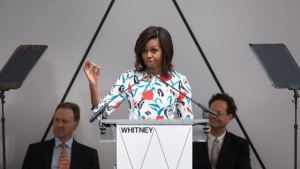
Last week, Michelle Obama gave a speech for the reopening of the Whitney Art Museum in New York City. In this speech, she remarked that museums tend to not do a good job affirming youth of color. She stated:

You see, there are so many kids in this country who look at places like museums and concert halls and other cultural centers and they think to themselves, well…

View original post 1,117 more words

This Week’s Museum Reads: Curiosity

Museum Reads header imageAs a child, I was informed that ‘dull’ and ‘boring’ were swear words. Anything could be interesting if you looked at it long enough, asked enough questions, and any time you had free could be easily filled by more looking, listening, imagining, and investigating. (“Are we there yet?” was similarly disallowed, but “where are we?” was allowed as often as we liked, so long as we were willing to track our road trip route on a map.)  Consequently, I’ve spent my life always looking for the next new and interesting thing, and somehow I always find something.

A few interesting reads on the topic of curiosity:

Graphic made by Meg Winikates on Canva.com

Graphic made by Meg Winikates on Canva.com

Other Brain Popcorn posts you may enjoy:

This Week’s Museum Reads: Empathy & Engagement

Museum Reads header imageI spent all weekend marinating in poetry at the Massachusetts Poetry Festival, which was incredible and thought-provoking as always. As an interdisciplinary enthusiast, I was enthralled with the ways I saw people talking about poetry and science, poetry and art, poetry and environmentalism, poetry and current events, poetry and civil activism.  Coming back to my museum-persona, I was glad to see some of those same kinds of discussions are happening in this field as well, at AAM last week and continuing online and abroad.

Here are a few good reads from the last few days:

Happy National Library Week!

Click for source.

Click for source.

The theme for this year’s National Library Week is “Unlimited Possibilities,” which is an idea I can definitely get behind.

Here are a few bookish things to celebrate libraries big and small, public, academic, and everything in between.

2015 Reading Challenge from PopSugar (much easier to complete if you visit your local library!)

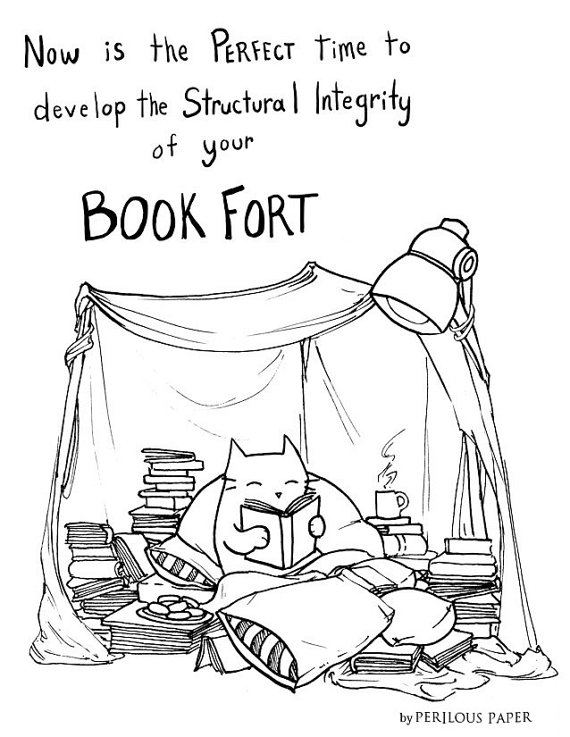
By Perilous Paper on Etsy. Click for prints of this and more adorable book-loving art

By Perilous Paper on Etsy. Click for prints of this and more adorable book-loving art.

A celebration of preserved historic properties with a library spin, from the National Trust for Historic Preservation.

Exploring the chemistry of that awesome book-smell from Brain Pickings and Noodle.

America’s 10 Most Unique Libraries from Huffington Post

Creative Spaces: Historic Literary Sites

Last week I attended a great gathering of literary historical sites from around New England. As the official representative for the New England Museum Association, I was glad to offer possible ways we could help this highly motivated and energizing group get the results they’re hoping for. (After all, a number of the organizations represented are already NEMA members!)

On a personal level, as a writer and a fan of literary travel, it was inspiring to spend a day with people who love literary history as much as I do. (More on that later over on Sea Dreams and Time Machines!)

Meanwhile, Jill’s written up a great summary of the day, which I share with you here.

Trendswatch and Open Data You Can Use

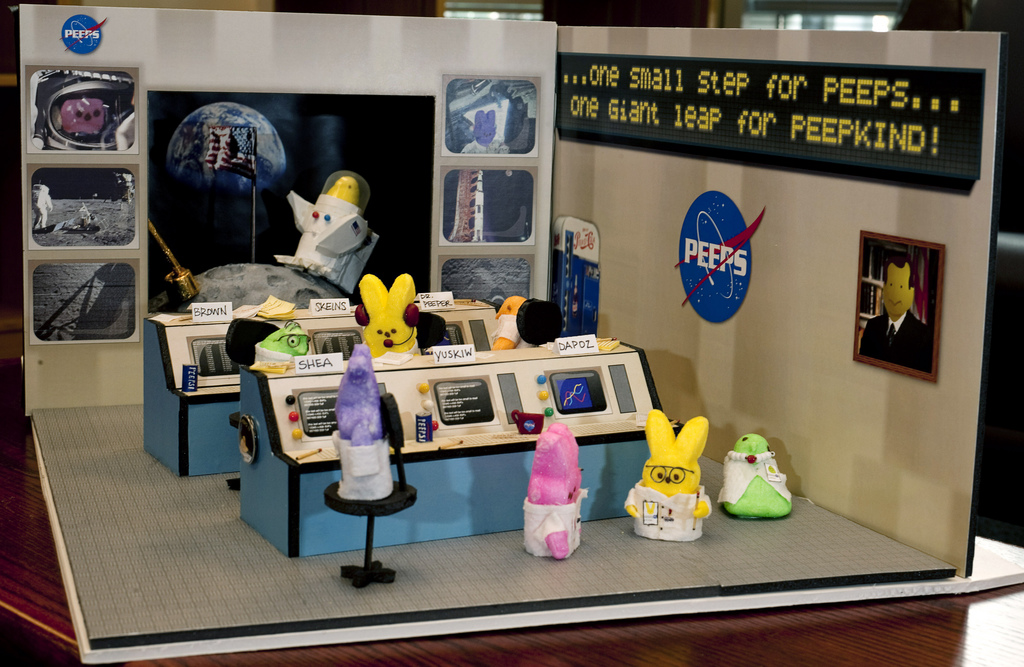
The future is bright, and full of sugar.  Image courtesy of NASA's image galleries, see link below.

The future is bright, and full of sugar. Image courtesy of NASA’s image galleries, see link below.

Have you been looking through The Center for the Future of Museums’ Trendswatch 2015?  If not, you can find it (and some related articles) right here.  (If you’re not familiar with Trendswatch, the basic idea is that the CFM looks at what’s happening in society on a large scale and predicts how certain trends in technology, attitude, and habits could influence/affect museums and museum-goers.  It has broader implications for education, design, marketing, and service organizations too.)

One of the trends identified is the rising importance/influence/availability of ‘open data’ and the projects that are created using it.  This can mean anything from GovTrack’s database of US Congressional voting records to the Cooper Hewitt’s 3D scans of their mansion, available free for makers and creatives of all sorts to download and tinker with.

In the spirit of Brain Popcorn’s Ideabox, here are some open resources that you can use, and some creative prompts for yourself, your museum, or your classroom:

Inspiring Images

What can you do with museum-quality images?

  • Digital collages, cropping, recoloring, pop-culture parodies, screen wallpapers, custom header for your personal blog
  • Print actual wallpaper, fabric, etc. using a service like Spoonflower or similar
  • Print images for mixed media collage, mod-podge and resin-based crafts like jewelry or glass jar luminaria
  • Costume, set, and character design inspiration for theater classes, writing prompts, and authors’ visual reference files
  • History reports, bulletin boards, and VTS classroom discussions with an overhead projector or poster-sized prints

Where can you find them?  (Some of these links also include 3D models and audio and video files, for bonus remixing options)

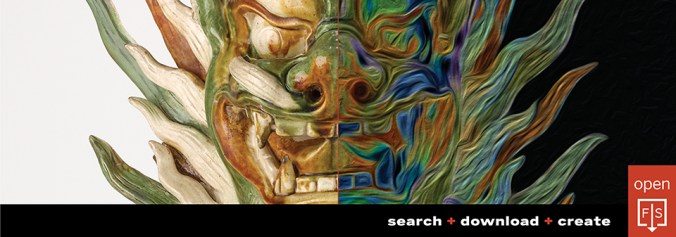
The Smithsonian's Freer and Sackler galleries have all their collections online, with images you can use in any non-commercial form, for free.

The Smithsonian’s Freer and Sackler galleries have all their collections online, with images you can use in any non-commercial form, for free. Click the image to go to Open F|S!

So Many Numbers…

I mentioned GovTracks earlier, but there are reams of numerical sorts of information out there too.

What can you do with lots of numerical/geographical/etc. data sets?

  • map customized information onto Google Earth or other visualization services (see Gapminder below) (great for conversations about population density, conservation efforts, etc.)
  • track language use on social media (where are certain words or new phrases popular, and what kind of people are using them?)
  • More maps: what do people in each state search most often on the internet?
  • Plan a student advocacy campaign for something your class decides is important.  Who are your legislators and what do they think is important?  Who do you have a chance of convincing based on their records?
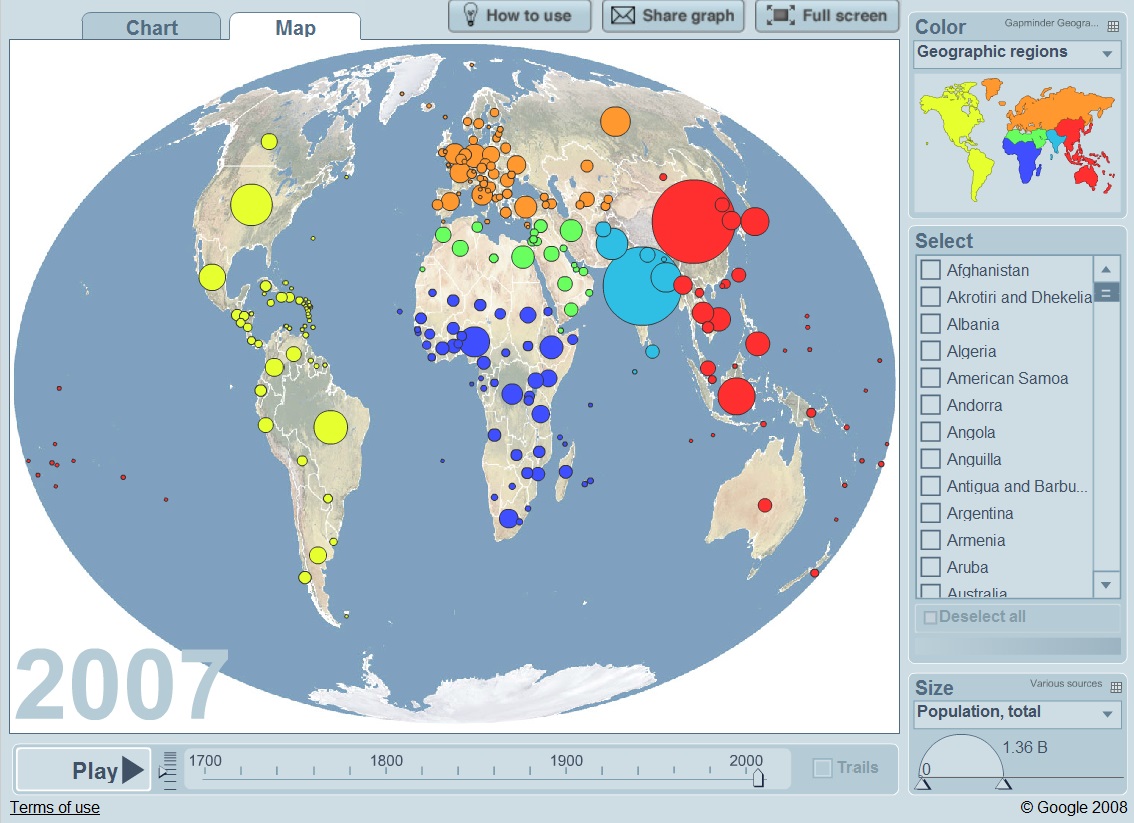
Visualizing a timeline/map of electricity use per person, 1700's until the present day, using Gapminder

Visualizing a timeline/map of electricity use per person, 1700’s until the present day, using Gapminder

Where can you find data sets?  Please bear in mind that a lot of these sites aren’t going to have data that’s super interesting to a class of third graders, for instance.  For middle, high school, and college students, not to mention professionals, sure.  But if you have rec’s for kid-friendly data, I’d love to hear them!

This is by no means an exhaustive list, so if you have other great sources of open data, or suggestions for cool projects, please share them in the comments below!

What’s next?

Looking to make a set of data you or your organization has a part of the open data universe?  Check out Open Data Commons for a getting-started guide and important legal information.

As a logical extension of open data, some people are going all the way to ‘open objects,’ such as Jeremy Deller’s Do Touch project, in which objects from a historic collection are brought out to the public in malls, parks, etc, and made available for exploration.  This is a great idea, and it would be great if museums could do more of this! The Active Collections project is all about helping museums identify which objects are truly serving their missions: if they could also identify what could be used as ‘educational collection’ for this kind of purpose, think how inspiring that could be.

Open data is being used for community mapping, app building, advocacy, education, and more.  What are other possible mid- or end-points for this trend?

NEMA Wrap up 3: Discussing Diversity

At the 2014 conference, NEMA launched a new set of sessions styled as “Think Tanks,” or opportunities to have thought leaders and conference attendees work together in structured brainstorming to consider issues in the field, and what museums’ assets, opportunities, barriers, and possible action items are to create change.  The Think Tank I attended was on improving and promoting diversity in the museum field, especially in museum employees.  Though this has been discussed before, in light of recent studies that show how quickly the traditional museum-going public is being eclipsed by the growth of other segments of the population, the question remains key in the quest to retain museums’ relevance in the 21st century.
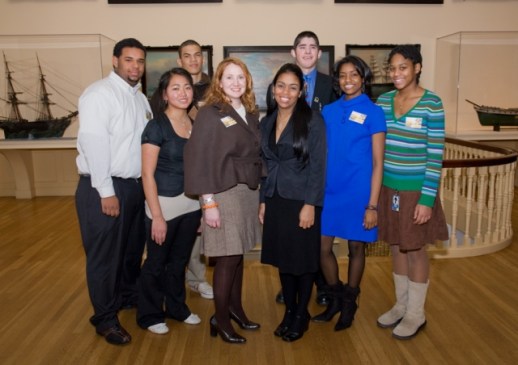
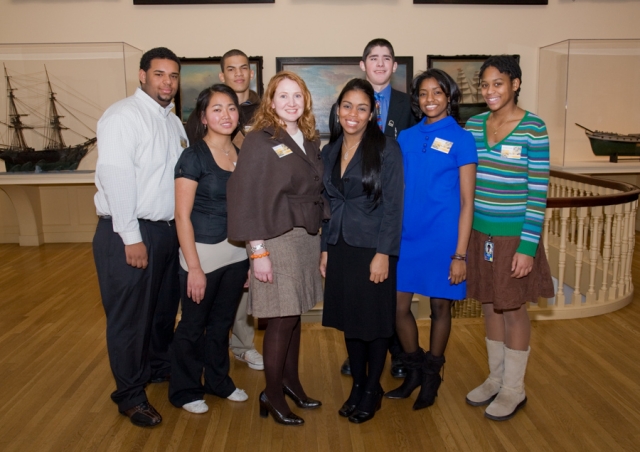
PEM's "Museum Action Corps" intern program was a paid internship that targeted students from underserved communities, and featured a collaborative project each semester.  This one, from 2007, was an oral history video on the changing face of Salem.

PEM’s “Museum Action Corps” intern program was a paid internship that targeted students from underserved communities, and featured a collaborative project each semester. This one, from 2007, was an oral history video on the changing face of Salem.

Defining Diversity

The first task the Think Tank took on was trying to encapsulate what kinds of diversity we seek as a field.  Recognizing that ‘diversity of thought is even more important than diversity of look’ to promote change, while not underestimating the impact of the ‘this place is for people like me’ effect, meant that our definition in itself was diverse.  The questions raised included ‘how can we define/identify what diversity is – and should we?’ and ‘what kind of diversities are priorities for museums?’  These are both much bigger ideas than we had airspace for in an hour long session, but I would love to hear your thoughts!

According to our brainstorm, museums seek to promote diversity in their staff, board, volunteers, and (eventually, hopefully) audience in:

  • age / lifestage / generation
  • culture
  • race
  • economic background
  • language/bilingual
  • physical ability
  • learning styles
  • gender (& gender identity)
  • orientation
  • mobility
  • religious
  • neurological/non-neuro-typical

We then split into groups to discuss the following topics.

Assets and Opportunities

How are museums well positioned to diversify?  What do we have in our ‘toolbox’ that can help solve the problem, and what opportunities do we have or can we create to improve the state of diversity in our field?

This is a really positive place to start, and while it’s both true and unfortunate that the group who chose to work on ‘barriers’ was twice the size, there was still some really good discussion here.

Here are a few of the places where my discussion group felt like we had real advantages or options for taking a more diverse path:

  • volunteer opportunities for high schoolers or younger (including a discussion about why this is an important experience)
  • mentorship
  • a core mission of telling human stories
  • location (where museums are central to their communities)
  • collections (what strengths and diverse experiences do we already have represented in our beautiful, interesting, important stuff?  What about the stuff that gets overlooked?)
  • sense of place

Focusing on these strengths with an eye towards diversity can hopefully lead to:

  • increased strength, power, sustainability and credibility of museum individuals and the organization as a whole
  • increased attendance
 Barriers

The group that discussed barriers to diversity had what appeared to be a lively and honest conversation in the back of the room.  They were focused on identifying impediments to diversity, and potential ways to mitigate them.  Some of their discussion points included:

  • unpaid internships (in fact, compensation at most levels was mentioned as being a potential barrier, but internships got top spot as a matter of concern)
  • lip service to diversity without true institutional commitment of time, money, and other resources
  • facilities (one possibility is to try to provide accessible and gender-neutral bathrooms)
  • negative histories/dislike/distrust of institutions (lots of minority groups have justified issues with museums based on past interactions)
  • location (not all museums are easy to get to or located in an area that is prime for diversifying)
  • only telling a narrow storyline (need to make room for more voices!)

Some of these barriers are easier to knock down than others, but there was some good follow up discussion on how to get there, enumerated below.

Specific Suggestions for Progress

Aside from the suggestions specifically directed at NEMA above, the group came up with some other ideas about ways to bring a more diverse set of applicants and attendees to the museum world:

  • Sensible job descriptions – reducing the entry barrier by making job descriptions and requirements more feasible for a wider range of applicants.
  • Putting a commitment to diversity in the mission statement, inquiring at new jobs what their commitment to diversity is.
  • Consider: where are we posting jobs? where are we advertising? Do we only talk to ourselves?
  • Can’t only be externally motivated & funded (i.e. by grants, accreditation assessments, etc.)
  • Diverse staff should be in every section : curatorial, board, education, facilities, front line staff, everywhere.
  • Seek partnerships with the organizations that are working where we want to – we are each others’ assets.
  • Get to know your coworkers – they’re probably more diverse than you’re aware of, and have connections, skills, and ideas that aren’t being used.
  • Existing is not enough if people targeted are not aware/interested: make sure you have what people need/are looking for, spend the time and effort to get the word out once you do, and make it lasting, not a one-time thing.

And a few things to consider when we’re trying to figure out how well we’re doing:

  • Metrics : when have we reached the goal/balance?  How diverse is ‘enough?’ Maybe we’re never there, always need to be thinking, working, aware of changing contexts.
  • Being realistic about the effort, not just seeking to fill quotas: what does success look like? Results do matter, but numbers are not the only method of measuring institutional change.
  • Open dialogue is important, more important than comfort, even.  If we’re outside our comfort zone, that’s probably a good thing!
 And a final reminder that I think we all need, lest we get discouraged:

Next Steps

In the time it’s taken for me to assemble my thoughts, the conversation around museum diversity and responding to social justice issues has continued.  If you haven’t yet checked in with the #MuseumsRespondtoFerguson discussions, here are a few good links:

Joint Statement from Museum Bloggers and Colleagues on Ferguson and related events
Responding to the Events in Ferguson and Beyond: The Northwest African American Museum’s Example
Twitter Chat: #museumsrespondtoferguson
#Museums respond to Ferguson – Things must change.

Now, as our session leaders urged us, it’s your turn to “go out and talk to one other person that wasn’t here!  Start the conversation somewhere else.”

Or, keep talking to me here! Do you know of any projects or initiatives that are working to make the museum world a more inclusive one?

Rooted in Art: An interview with Joan Backes

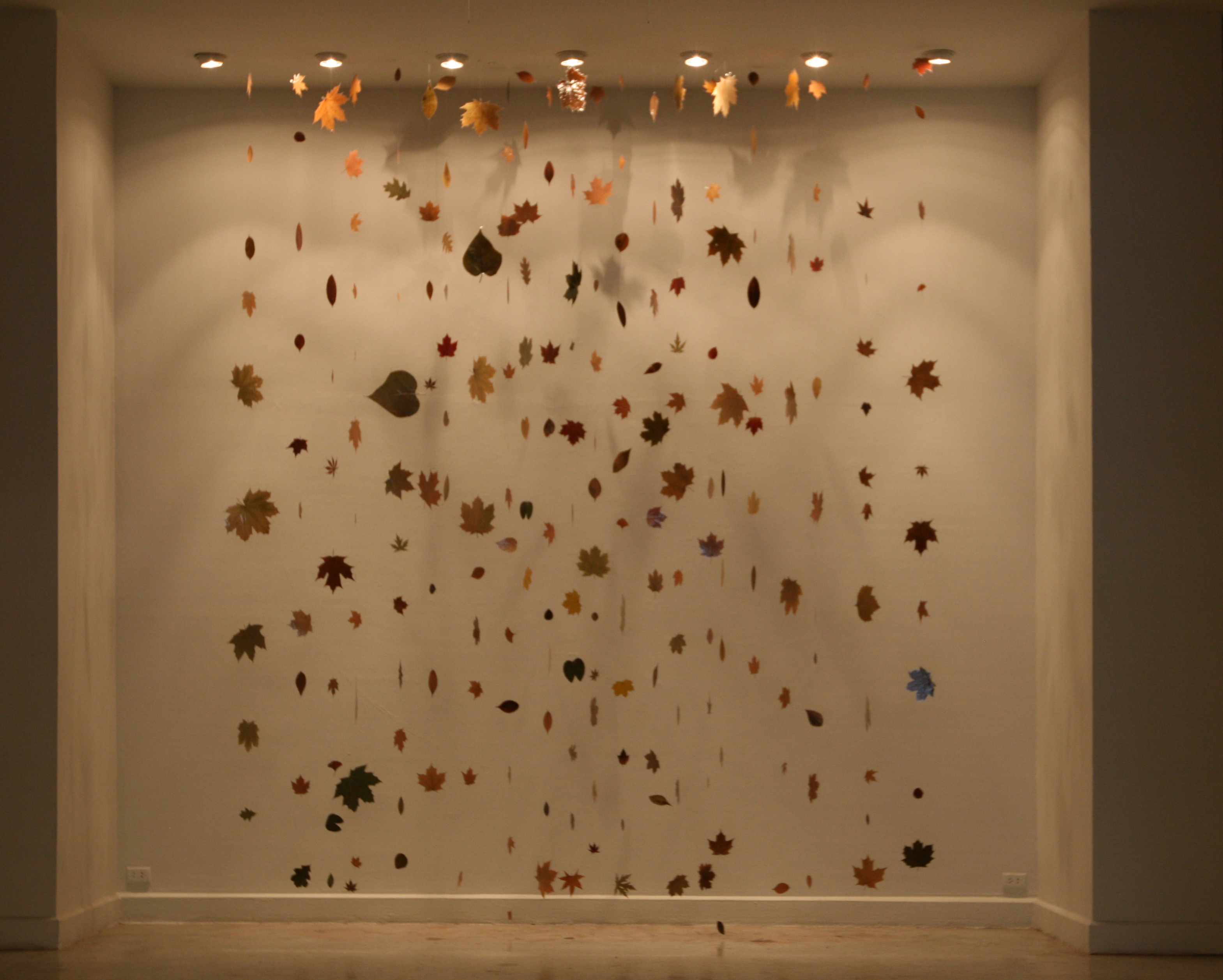
IMG_0185_Backes_Bangkok,Thailand Hanging.Leaves300dpi-3

Hanging Leaves: Bangkok Installation, by Joan Backes

I always appreciate the stark and intricate beauty of winter’s bare branches, but there’s something about the curtain of falling leaves at the end of the Atrium at work that’s good for my autumn-loving soul.  Recently, I had an opportunity to interview Branching Out artist Joan Backes for the Peabody Essex Museum’s Connected, to ask about her multinational leaf collection, working in a storybook forest, and more.  You can read her responses here: “Leafing Out with Joan Backes.”

Never say there is nothing beautiful in the world anymore. There is always something to make you wonder in the shape of a tree, the trembling of a leaf.

— Albert Schweitzer
This will also be my last post for Connected, as after five remarkable years at PEM I am moving on to a new position with the New England Museum Association, starting in February.  All my past Connected posts can be found here, and I’m looking forward to sharing my continuing museum adventures with you as always here on Brain Popcorn.
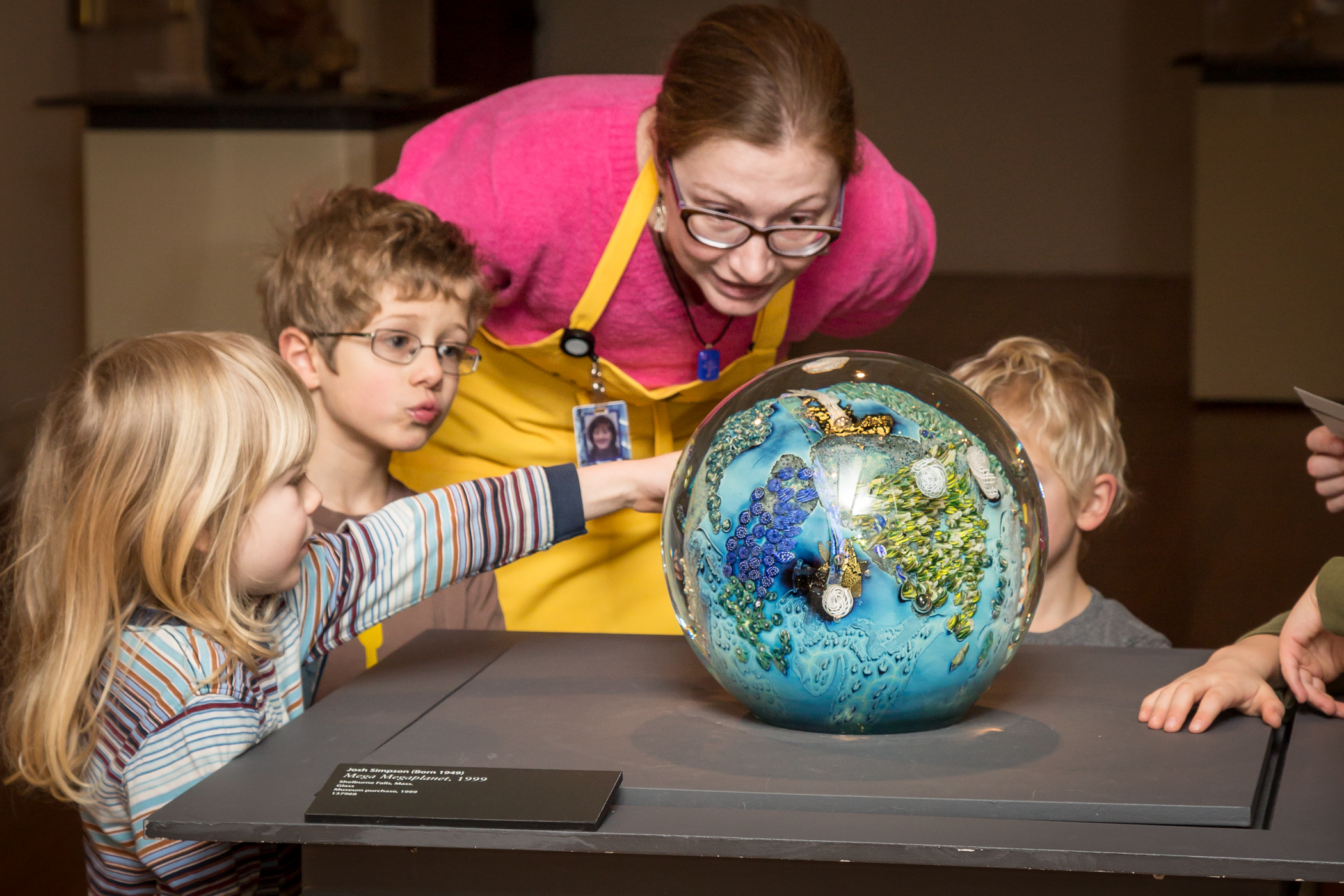
Though I say a fond farewell to PEM, there's a whole world of interdisciplinary adventures yet to be had! (Mega Mega Planet by Josh Simpson, photo by Allison White)

Though I say a fond farewell to PEM, there’s a whole world of interdisciplinary adventures yet to be had! (Mega Mega Planet by Josh Simpson, photo by Allison White)

NEMA wrap-up 2: Cultural Consumption and Gut Reactions

Time for NEMA Wrap Up 2: Numbers and emotions!  (Those do not usually go well together, but we’re going for it anyway.)

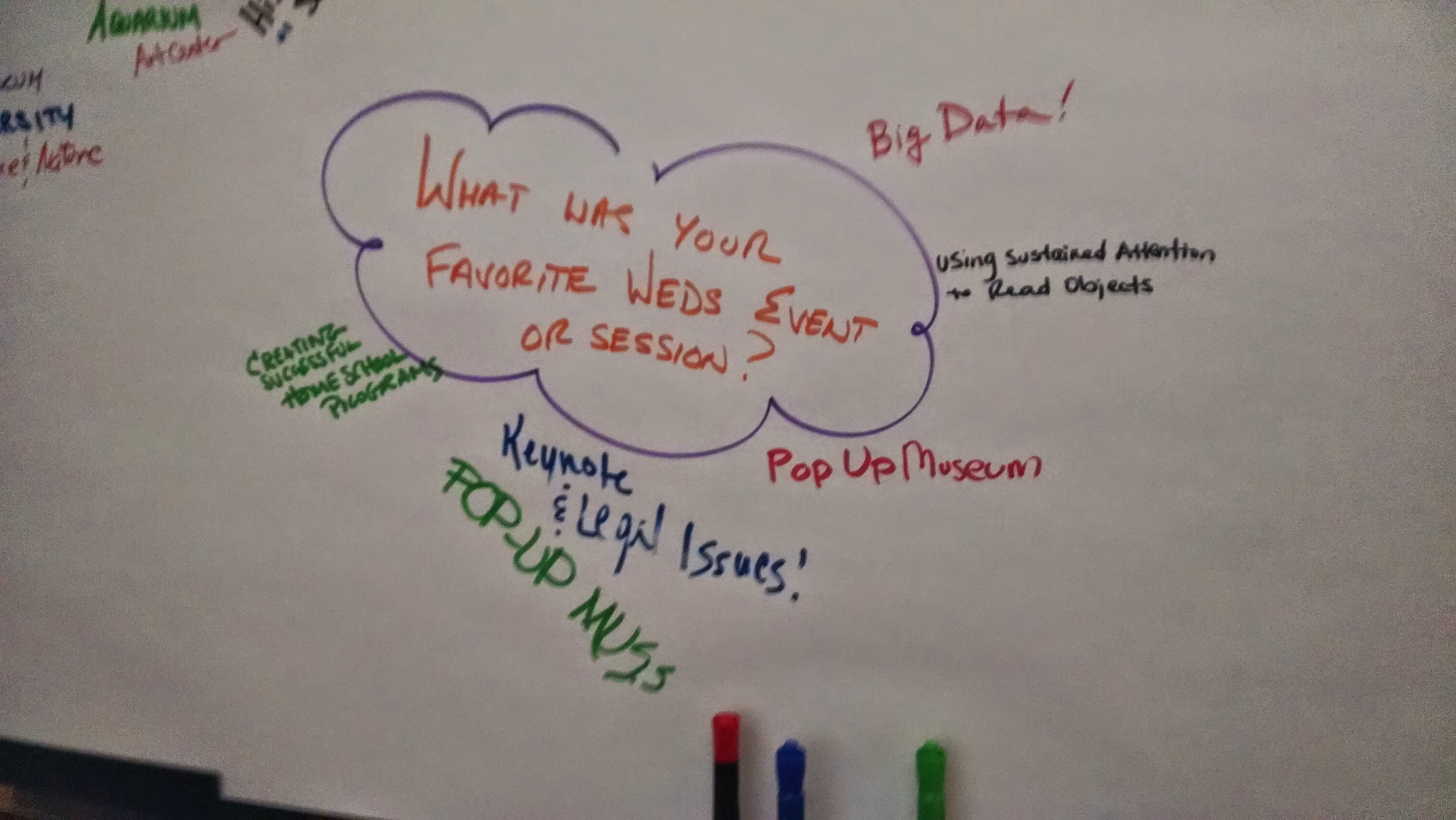
informal feedback board from NEMA 2014

Feedback, whether formal or informal, is the most constant thing on the menu for museums who want to figure out what’s actually happening in their spaces.

Culture Track: Understanding Boston Museum-Going Audiences

Have you noticed how data-hungry people are these days?  From fitbits to count your number of steps per day to ways to measure your driving habits, your energy consumption, and the efficiency of your home heating system, everyone seems to love a bunch of numbers to crunch.  The museum field is no different.

Fortunately, Boston’s MFA recently paired with the folks over at La Placa Cohen to create the first city-focused Culture Track study of museum audience behavior in the greater Boston area (these are usually done at the national level).  The announcement, with links to the entire report and the summary presentation, is here.

The study aimed to understand audiences, not just “What are they doing? How are they engaging in culture? Why do they decide to participate?” but also “What’s really driving or discouraging audiences?  How do local trends compare to national ones?”   The study was also planned as a test case as a way to establish “shared & actionable data” for museums in the area.

These were a few highlights I took away from the session (though I encourage you to check out the full report as well!):

  • Since 2011, the percent of respondents who attend at least one cultural activity per year has increased in almost all fields.
  • The youngest audiences drive the market in Boston: cultural attendance among the younger ages of respondents is much higher here than the national average.
  • People are looking for “entertainment and enlightment” but the social aspects are very important:  almost half of millenials won’t go if they are going alone.
  • Audiences in all age brackets are looking for convenience (low cost, easy parking and opening hours) in addition to there being interesting topics and activities available.
  • All  culture-consuming Greater Bostonians are info-hungry and seek out information about their proposed activities ahead of time: websites, news articles, brochures, youtube videos, etc.

There were also a number of good questions brought up about further possibilities for study, including tracking visitors who only attend free events, or thinking about ways to improve the perceived value of memberships as organizational support.  Lots of food for thought!

Objects and Emotion

Rainey Tisdale and Linda Norris, authors of Creativity in Museum Practice, led a really interesting and highly entertaining session on provoking emotion through objects in museums.  In their typical style, this was a highly participatory session too, starting with a question like “Does incorporating strong emotion in the museum world make us nervous?” and then asking us to remember and consider objects in our own lives that provoke emotion.  (A lot of us chose gifts/remembrances of lost family members, which was interesting.)

The importance of emotion – especially strong emotion – is that it is closely tied to memory: both memories already held, and those created in that moment.

“Every memory comes with an emotional ‘stamp’ attached to it.  The stronger the emotional value the more likely sensory information is to pass this inital inspection and be admitted into memory.” – John Falk

In fact, according to Norris and Tisdale, in a study soon to be published by Reach Advisors, Susie Wilkening will report that ‘transformative’ or ‘aha’ moments need these elements: immersive environments, real objects, narrative/story, emotion.  (This is not surprising, perhaps, but as in the post section above, everyone loves the data that will prove it!)

In the exercises that followed, we were asked to pick a favorite object from our own museums, and to then call out a number of emotions.  Then we all sorted our objects into one of those emotions, ranging from ‘wonder’ to ‘anxiety’ to ‘confusion’ to ‘skepticism’ and beyond.  And we were asked to consider these points when going back to our own institutions to design a new visitor experience:

  • Some emotions are easier for museums than others (abundance, nostalgia, pride, tragedy).
  • Emotions are complicated – how do we get to the less explored territory beyond the emotions mentioned above?
  • An object can prompt the same emotion in multiple people and/or different emotions in different people. (All equally valid!)
  • Providing opportunities for emotion is more important than dictating what they should feel –  let people find their own resonance.

Some suggestions for ways to get to those emotional resonances included:

  •  cataloging by emotion (adding tags to your catalog based off staff assessments of a work’s emotional weight)
  • collecting by emotion (asking your community to donate objects with emotional resonance, complete with the stories about why)
  • tagging by emotion (getting visitors to use post-its or other ways to tag objects on view with the emotions they feel when looking at them)
  • designing to provoke emotion (lighting, stories in labels/media accompaniment, juxtapositions with other objects, visitor feedback areas)

If you’re looking for more information or a good emotion-bank starting place, here’s the handout from the session: ObjectsandEmotionHandout

Do you have a particularly emotion-laden object in your museum or personal collection?  What makes it resonate?  Share it in the comments!

NEMA Wrap-up 1: Pop-Up Museums and Peer Learning

The week before Thanksgiving was a big, busy, thought-provoking whirlwind of interesting issues in the field of museums.  I had a great time at the New England Museum Association (NEMA) annual conference, and as you may know if you follow me on Twitter, I had plenty to say!  For the next few posts I will be pulling together some of the highlights from the sessions I attended, and I’ll wrap it up with a summary of the session that I actually presented.

Highlight 1: “Pop-Up Museum” pre-conference event

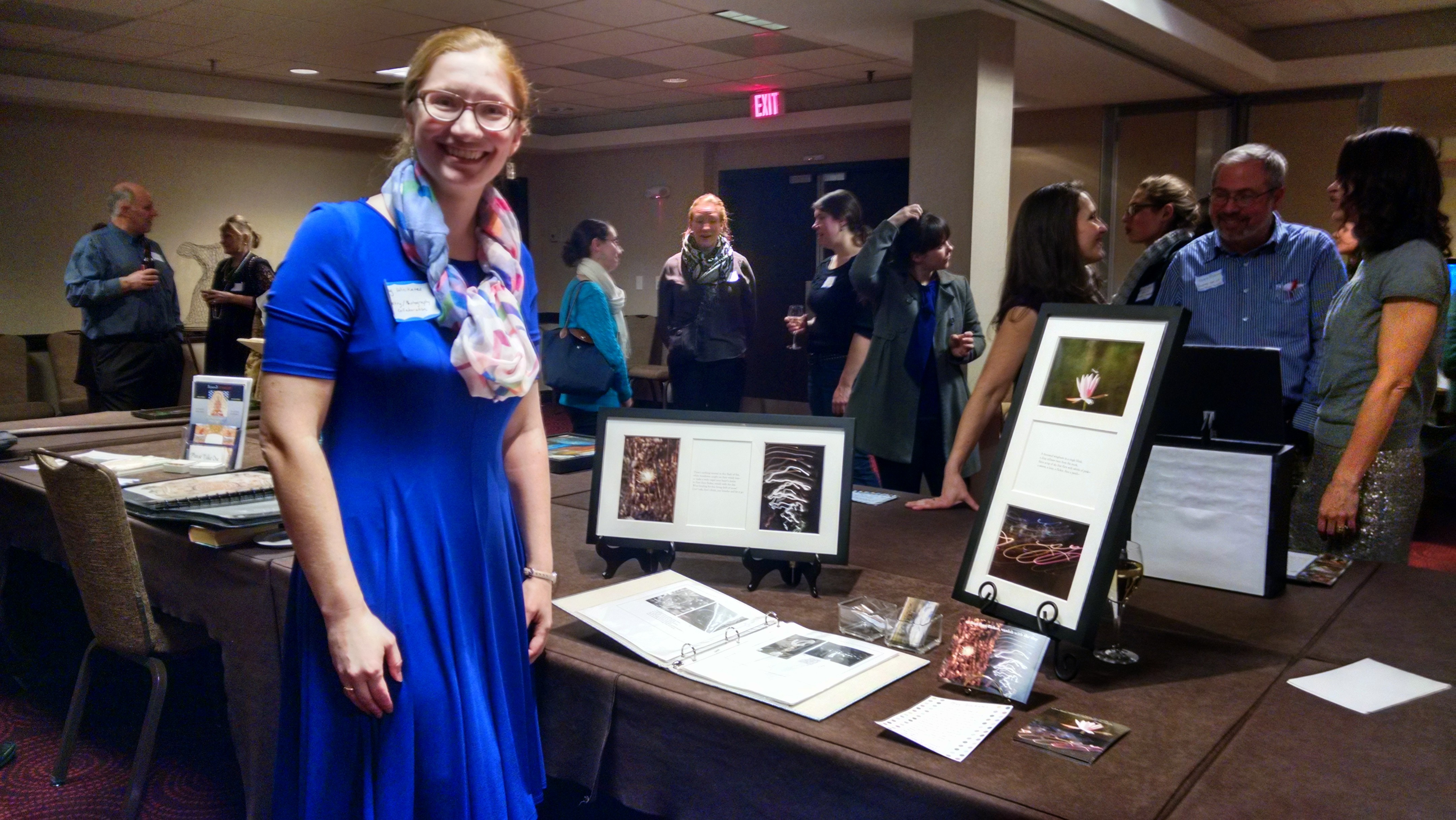
IMG_20141118_200409106_HDRFor those of you who haven’t run across the Pop Up Museum concept before, the brief explanation is that it is a short term event, in which participants (usually from a particular community based on location, profession, interest, etc) create the ‘museum’ by bringing objects to share related to a theme, writing a label, and then talking to other participants and interested viewers.  There’s great in-depth information on the concept available from Michelle DelCarlo’s Pop Up Museum blog and Nina Simon’s Museum 2.0. (and a toolkit at the first link in this section)

This event’s theme was ‘things you do and create outside of work,’ and featured painters, photographers, sculptors, collectors and enthusiasts, voiceover artists, gardeners and more.  I brought poetry (see my ‘author’s point of view’ post here), but in the middle of being a poet, I was still being a museum educator, and here are some of my museum-centric takeaways:

  • Theme matters.  The theme was one people were passionate about and they were eager to tell their stories.
  • The label writing session was fun and needed about 3 more minutes than it got.  Brevity on labels is hard, we all know this.  A little more time for editing would have helped!
  • The “Ask me about…” prompt for the labels was the best part, as it promoted conversation and allowed an icebreaker for starting conversation with strangers.  We can and should do more of this kind of thing when we have artist demos, residencies, and facilitators on the exhibit floor, because it empowers our audience to be the ones to start a conversation.  Signage, buttons, nametags, whatever works.
  • A little more time for the participants to circulate to interact with each other before letting in other guests would help–we all wanted to see each others’ works but felt the pull to be near our own as well.

If you’d like to find out more about the objects people brought, a number of us posted 45 second clips up on Brad Larson’s Story Kiosk, and he’s got a great wrap up of the event, with playlist.

Highlight 2: Peer Learning

I went to three sessions that focused on different aspects of adult learning: professional publishing, new research in adult learning in informal spaces, and reflective practice.  It is important to remember, of course, that no matter how long one has been working in museums or in education or in whatever one’s chosen field, there is always something new to learn.  That’s what makes life fun.  And it is equally important to support one’s staff as learners as well as teachers, so here are the highlights from the peer learning sessions:

  •  Involving people from all levels in the process of setting goals and developing evaluation methods increases buy-in and aids in the development of a shared language.
  • Variety is key: evaluation methods stagnate as easily as anything else, and you can’t learn more if you’re only ever measuring one or two points of ‘success’
  • Feedback and reflection and observation are tools not to prove that people are doing things wrong but to highlight ways to improve.
  • Keeping up your reading in the field is important not only for providing shortcuts to finding the methods and language that works for you, but to help you figure out what you want to be doing next.