Macaroni Commas and Two Left Feet

Didn’t get enough word fun on International Literacy Day?  Then get ready for September 24, which is National Punctuation Day.  I kid you not.

According to the official site for National Punctuation Day, this particularly exacting holiday is the brainchild of comma fiend Jeff Rubin, and is now in its seventh year of celebration.  Last year’s festivities were punctuated (ha!) by a baking contest, and this year they are soliciting punctuation-themed haiku, so go check it out if you’re feeling em dash deprived.  Don’t miss the photo gallery of punctuation mistakes–a sadly bountiful crop of terrible pluralization, but some other entertaining gaffes as well.

But why would you want to do that?  Grammar isn’t fun!

Yes it is.

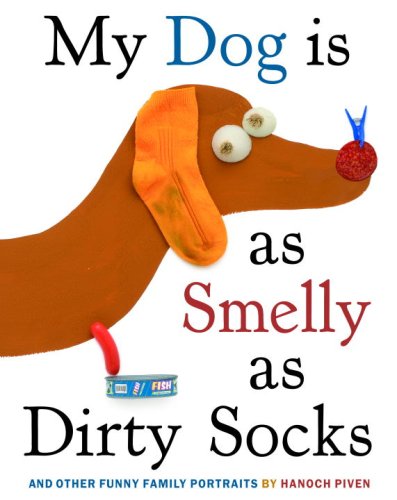
I will grant you, I don’t know if playing Punctuation Pasta with macaroni commas and quotation marks would have gotten me all excited about punctuation as a student, but looking at it now reminds me of the totally fabulous found-object illustration style of My Dog is as Smelly as Dirty Socks, which is a great way to teach grammar and figures of speech.  And I can totally imagine expanding the idea of punctuation pasta to punctuation pizza (period pepperoni, anyone?) and beyond (hence the baking contest last year, I surmise).
Punctuation is also incredibly useful in the world of solving rebus puzzles–take half the words out and replace them with pictures, and all of a sudden that apostrophe seems a lot more necessary to decoding the sentence.  ReadWriteThink has a rebus poetry writing lesson, but there are dozens more out there, and lots of cool historic examples, too.  The family of poet Henry Wadsworth Longfellow played with rebuses, and here’s one from Historic New England to test your mental mettle.
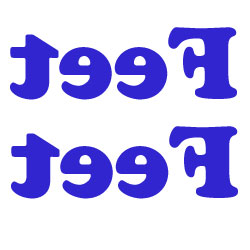
Feeling good about your visual verbal skills?  Try the BrainBats over at BrainBashers (Lots and lots of fun brainteasers over there, by the way, including some fun logic puzzles).  Or go for a more traditional grammar game experience with the Comma IQ test from the folks behind Eats, Shoots & Leaves.  You might even copy edit to your heart’s content in both Spanish and English through Maggie’s Earth Adventures, offered through Scholastic’s Teachers site.

Had enough words?  We’re back to impossible objects and scratch holograms in the next post.
Art, Astronomy, and Alien Adaptations

On my recent vacation in Maine, I spent a mesmerizing half hour or longer on the dock in front of our cabin, head tipped all the way back to take in the wealth of stars and splash of Milky Way, unsure whether I was feeling dizzy because of the depth over my head or the lake under my feet.   Add in the fact that it was during the Perseid meteor shower, and you had the recipe for perfect wonder that reminded me why I spent several years growing up convinced I was going to be an astronaut.

Fortunately for those of us who are sadly earthbound, there are folks up there willing to share the wealth: Twitpics from Space.  Not to mention NASA Spots Signs of Life…On Earth, in which some of those nifty NASA folks have figured out how to search for bacteria trapped in ice by satellite.  Next stop, Mars!

I love reading stories about what life is actually like on the International Space Station or for astronauts in general, but I get an almost equal amusement and fascination out of what people *thought* life in space could be…and how many of those ideas are still around in slightly altered forms, like eco-designer Vincent Callebaut’s floating water-purifying resort and eco-refuges for when we lose the battle with climate change (dystopic design at its prettiest).

Hear Auden read “The More Loving One” and read the text of the poem at NPR’s 100th anniversary article on Auden’s birth here.

The night sky has a kind of mystery that sometimes only artists and poets seem to be able to capture…and sometimes science helps solve those mysteries, more than a hundred years later!  Forensic astronomer solves Walt Whitman mystery (Always nice to see those interdisciplinary learners in action!)

Feeling inspired to do some stargazing?  Keep your eyes open and antennae out…the BBC reports that “Alien hunters ‘should look for artificial intelligence'” while scanning the sky.  While you wait for ET to ring the doorbell, bring the search for alien life to your classroom with the web-quest Design a Space Alien, designed for middle school students, and give your studies of earth science and evolutionary biology an extraterrestrial twist.

Happy International Literacy Day

International Literacy Day, according to the calendar hanging in my office, was technically September 8th, but as I have been having inexplicable glitches attempting to access WordPress, I’m a little behind.  (But the Salem LitFest isn’t for another week, so I’m still in the running!)

Therefore, in the name of celebrating cool stuff, which today is reading (who am I kidding?  We celebrate reading all the time in my world), I bring you neat thoughts about literacy, and a handful of reading-related activities.

First of all, good news for those of us who have more books than shelves to put them on: Book owners have smarter kids from Salon.com

And next, hear about how educators at the Eric Carle Museum focus on ‘reading the pictures’ in their storytimes as much as reading the words, improving comprehension and engaging kids and adults in the art of illustration: Noggin video

Looking for good books to read?  Ask your local librarian or check out some useful lists on Reading Rockets, helpfully organized by theme.

Also, don’t forget to check out the awesome interdisciplinary lesson plans available at the Kennedy Center’s ArtsEdge–many of them have literacy themes.  One of my favorites is the Adjective Monster, a ‘paper sculpture’ art and geometry project built around Go Away Big Green Monster by Ed Emberley.

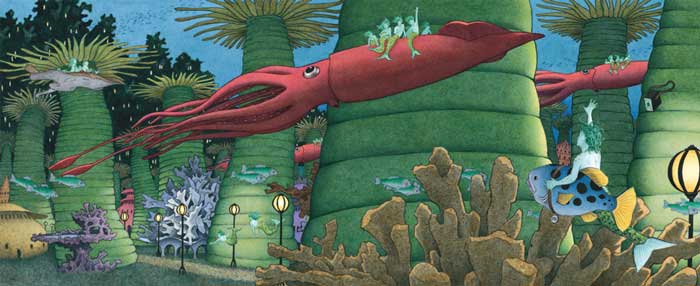
Illustration from Wiesner's Flotsam

Inspired by the ‘reading pictures’ video?  Everyone loves a good wordless book, and David Wiesner has created several.  Try out this very cool classroom photography project featured in School Library Journal and inspired by Flotsam, with neat tie-ins to science and history.  Kudos to my Anonymous Tip-Master for pointing this one out! I love how crazy and beautiful his illustrations are, and part of a long tradition of fish-exaggerations.  In 1719, the first full-color illustrated book of fish was published, including several fish that were figments of the illustrator’s imagination!  (See The Fantasy Fish of Samuel Fallours for the scoop.)

For more science tie-ins, read Flotsam paired with Tracking Trash, a very cool book about ocean currents and the problem of the ocean as ‘plastic soup’ [National Geographic].  Sector 7 is also a personal favorite, and great for teaching story-boarding or introducing a unit on clouds.

And lest we think all literacy only has to do with kids old enough for words, a neat article about visual literacy that begins developing in infancy: Escher-Themed Nurseries?  Even 4 month olds can recognize impossible objects from Cognitive Daily.  (You thought I’d manage not to include a reference to Eye Spy in this post, didn’t you?  Tune in next time for more cool stuff to do with impossible objects and how to create your own scratch holograms!)

A thought for the day

It has always seemed strange to me that in our endless discussions about education so little stress is laid on the pleasure of becoming an educated person, the enormous interest it adds to life. To be able to be caught up into the world of thought — that is to be educated. -Edith Hamilton, educator and writer (1867-1963)

(I love it when gems like this turn up in my inbox!)

Ideabox: Water Balloons

Today may see a brief break in the previously unremitting gross weather of the last two weeks, but there are surely more scorching days in our future.  To that end, I present a post about water balloons.   (Because if they’re good enough for NASA they’re good enough for me…)

ideabox water balloons

Watch a Water Balloon Break in Slow-Motion

People Study This Stuff?

How does a water balloon pop in low or no gravity?  NASA wanted to know, and not just because it looks cool.  Think about delivering water to a colony on Mars, or to the International Space Station.   Think about taking a bath in orbit.  Check out the awesome video results of the Symphony of Spheres and other experiments.

If you’re looking for other cool water droplets and bursting balloons, look no further!  Doc Harold Edgerton was a pioneer of stroboscopic photography, and dozens of his videos and photographs are available from the online MIT museum collections.

But they’re mostly about fun, right?

There may be a creativity crisis in America, but these two kids have come up with 27 ways to play with water balloons…how many can you think of?

Or don’t use a traditional water balloon at all–this family documented their experiment with the amazing 120 foot water balloon using latex tubing.  (And these folks built an air-pressure-powered water balloon cannon…but if you make one of these, don’t tell me–and don’t blame me if your cannon explodes, as is mentioned as a possibility in the comments.)

Dinosaurs, Art Photography, and…Toddlers?

Though you’d never know it from my last several posts, there are actually numerous cool and exciting things happening at the Peabody Essex Museum which are not related to Eye Spy.  However, since the Art & Nature Center is all about things interdisciplinary, we are frequently invited to come play in other departments’ sandboxes.

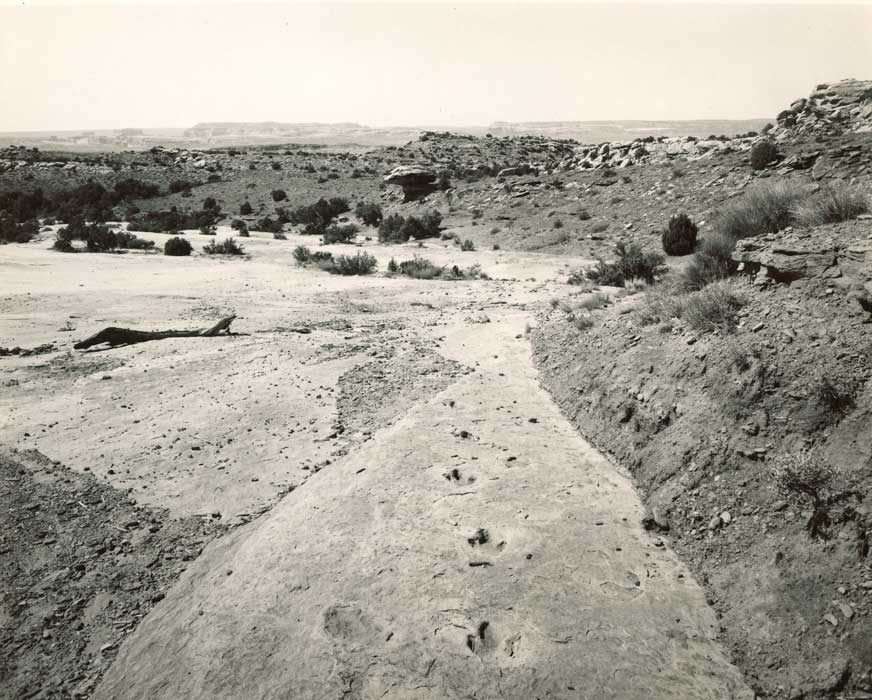
One great example was yesterday’s program planned by our Family Programs staff– “Dinosaurs at the Museum.”  Capitalizing on young folks’ interest in all things dinosaur, this program tied in to the current photography show on exhibit, Imprints: Photographs by Mark Ruwedel.

Klondike Bluffs Trail Site, #15 1999; Mark Ruwedel; Gelatin Silver Print; Collection of the artist, courtesy Gallery Luisotti (Santa Monica, CA)

A screening of the cartoon classic Land Before Time kicked off the morning, followed by make-your-own dinosaur feet (which tie on over your shoes, adorable!).  The program finished up with a trip upstairs to Imprints to see the very cool photographs, and yours truly in a pith helmet, hanging out with a pair of real dinosaur footprints in stone (three-toed carnivorous, 215 million years old), and a fossilized dinosaur tooth, both from PEM’s natural history collections.

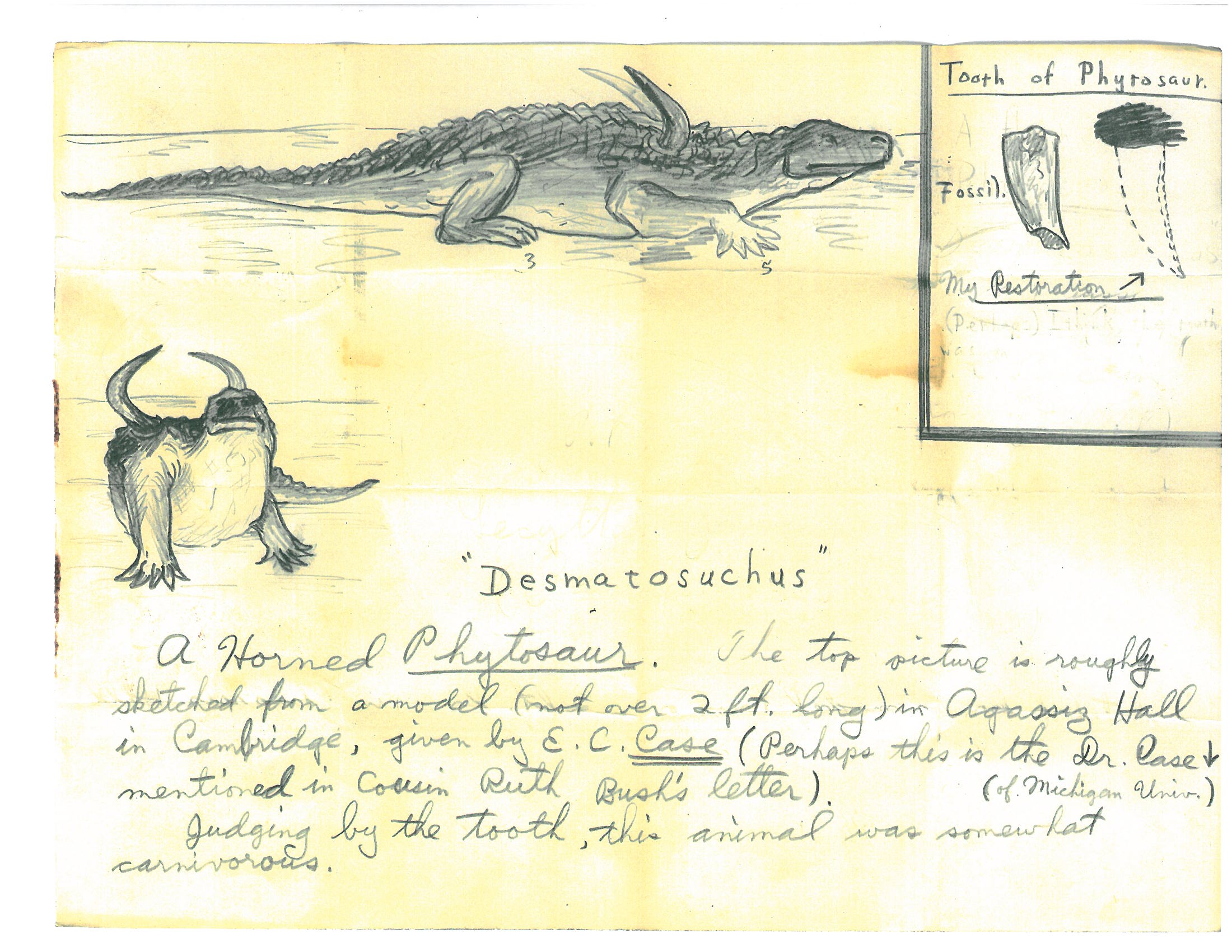
The dinosaur tooth was my favorite story of the day: donated to the museum in a ladies’ scissors box from the  1800’s, it had with it a calling card and a sketch of a model from Harvard’s museum of natural history, back when it was called Agassiz Hall.  Interestingly, the card claimed it was a phytosaur tooth, but the sketch also identified it as belonging to a desmatosuchus.

Sketches from one of the fossil's owners which was donated with the probable-phytosaur tooth.

When my research on phytosaurs turned up nothing that looked like a desmatosuchus, I dug a little deeper to find out that while both are ‘archosaurs’ — precursors to the dinosaurs and looking rather like crocodiles — desmatosuchus was a plant eater and phytosaur a carnivore. I then got to present all the clues to our smallish (and even tallish) visitors and ask them which dino *they* thought our mystery tooth belonged to.  Great fun all around, and at least three short visitors, two of them girls, informed me that when they grew up they were going to find out for sure.  It made me smile (and think about the book Boy Were We Wrong about Dinosaurs, a fun read).

What did we decide about our mystery tooth, after all that?  Given the pointy nature of PEM’s mystery fossil, I’m throwing in my vote that our tooth once graced the mouth of a phytosaur, and the majority of yesterday’s visitors agreed with me…but I’d be happy for an actual paleontologist to come by and prove me wrong.

And so today I offer you some more ways to share the dinosaur-joy.

The World of Dinosaurs

National Geographic: Prehistoric World — Want to know what’s new in the world of dinosaurs and their neighbors?  Great articles, artistic reconstructions, and meaty issues here.

Jurassic Gardens — Create a terrarium populated with your favorite model dinos!

  • Useful list of supplies and possible plants from National Geographic here.
  • Inspiration for an outside dinosaur garden at Lucy’s Garden here.
  • Go organic with some of the other plant and compost suggestions from Organic Flower Gardening with Kids here.
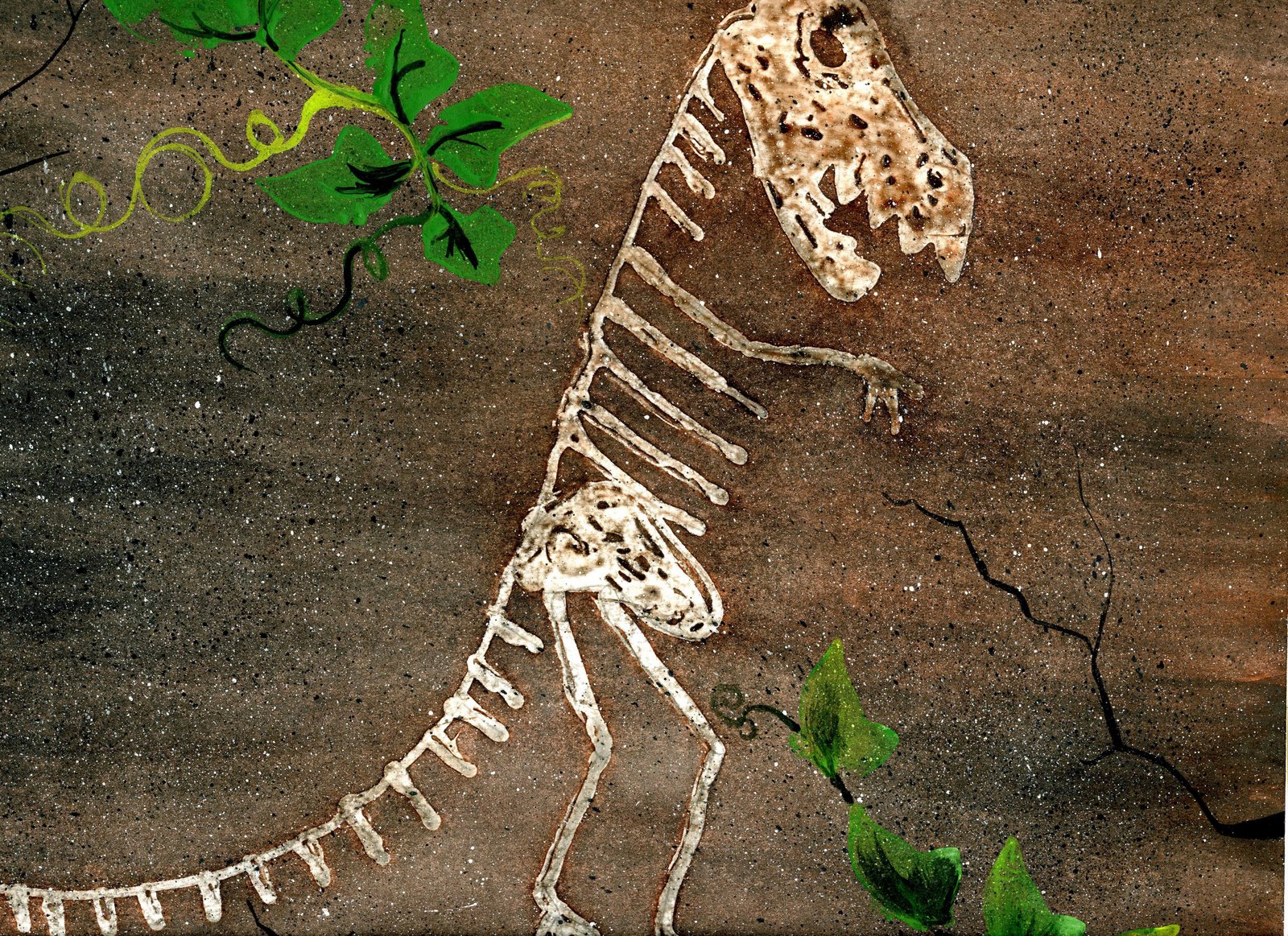
Dinosaur fossil art created with the 'glue-resist' technique.  Credit to Gail Bartel. See link below.

Dinosaur fossil art created with the 'glue-resist' technique. Credit to Gail Bartel. See link below.

Fossils!

  • Making fossil-impressions with salt dough and coffee grounds from Kaboose here.
  • Pteranodons and T-Rex skulls from milk bottles directions here.
  • Glue-resist dino bones art directions  here.

Dinos Walking

  • See Sue run!  Make your own T-Rex flipbook, downloadable from the Field Museum here.
  • Songs and Fingerplays from AtoZkidsstuff.
  • Origami Dinosaurs, from simple to complex, with information about their species, here.

Prowling Jaguars, Funhouse Mirrors, and Magic Shows

June 19, 2010 was a beautiful day for the Eye Spy opening!  Though I sadly couldn’t take anywhere near as many photos as I would have liked (the perils of being programming specialist!), here are a few highlights from the day that I did capture:

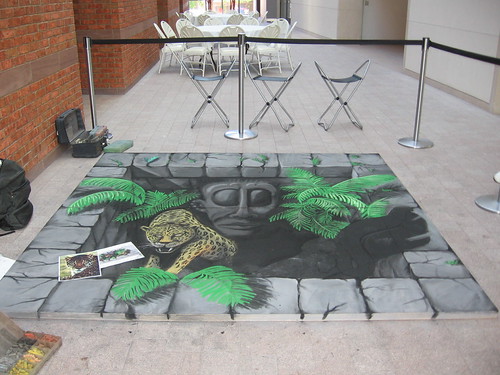
Before the museum opens, chalk artist Mike Macaulay wins some new fans as he creates a ‘teaser’ image for his anamorphic drawing inside.

All day, his jungle grows out of the floor and into the Atrium…

And elsewhere in the Atrium, magician Mike Bent entertains the crowds as others make funny faces in the warped mirrors and draw their portraits reflected in spoons.

Though their presentations were too light-sensitive for photography, artists Rufus Butler Seder and ron labbe also had full-house crowds for their discussions of the magic of motion in art and 3D photography.  Check out the Eye Spy page (linked at the top of this post) to see a video of ron labbe in his studio, discussing how he got into the world of 3D imaging.

Recommendation: Playing to Learn

I’m always interested in what other people have to say about the connections between learning and play, and I really enjoyed this presentation (designed as if on a game board) which talks about ways to keep learning fun without being entirely lame lost in the maze of a good idea poorly executed.

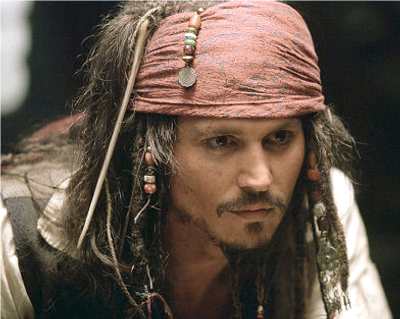
Do make time to watch the section on Bloom’s Taxonomy as explained by the Pirates of the Caribbean. I laughed a lot.

Level 4: Analysis. "Me, I'm dishonest. And a dishonest man you can always trust to be dishonest. It's the honest ones you've got to watch out for."

“Children love to learn, but at some point they lose that and become adults that don’t like formal learning. Let’s explore why “play” has gotten such a bad rap and figure out how to get it back in education.” ~Maria Andersen, Playing to Learn? on Prezi

Light, Shadow, and Trees

It’s been blinking hot, which means that everyone I know has been in search of and grateful for even a tiny scrap of shade when forced to be outside the last few days.

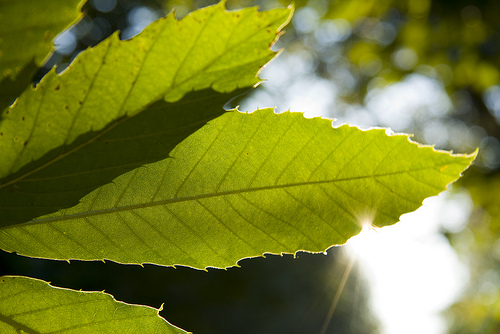
One of the things I love about shade on a sunny day is looking up through the leaves to see the patterns and variations of green that you get from the overlapping leaves.

Photo credit to chamberlain_tim

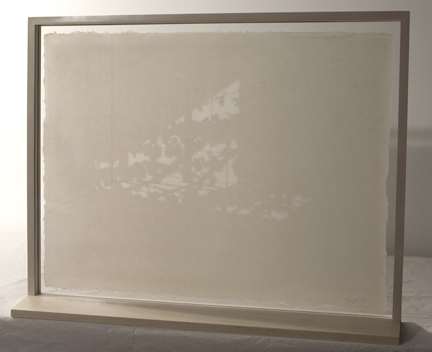
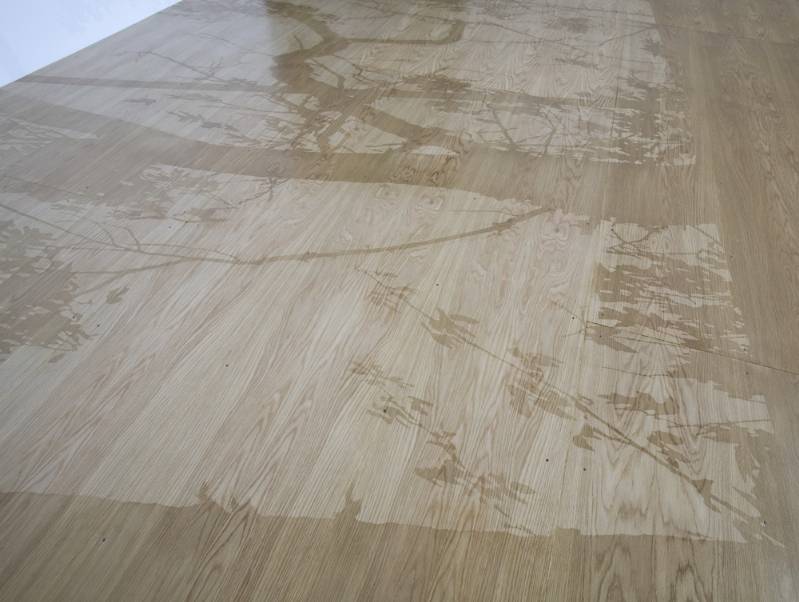
One of the artists featured in Eye Spy clearly feels the same way.  Mary Temple is an artist who works primarily with concepts of light and shadow — tree shadows falling on buildings, through windows, across floors, etc. Many of her works are either photocollage or painted to the sharpness of a black-and-white photograph, but one of my absolute favorites of hers is neither.

Corner Light (Grape Arbor), 2006 by Mary Temple

In Corner Light (Grape Arbor), the image you see is actually part of the paper–sections of it have been washed or scratched away to create a translucent window within the paper which the light then shines through.  Though this piece is a lot less in-your-face whiz-bang-wow than a lot of the works in Eye Spy, in the early mornings when the Art & Nature Center is quiet it’s one of my favorite pieces to just savor for a little while.

If you’d like to make your own light garden piece, try out my Layered Light Quilts activity.  It’s creation by addition instead of subtraction to make it easier for kids and also easier to find the supplies–but if you hang one in your window you’ll get some of that same dappled-leaf glow.

Download the pdf directions here:  Layered Light Quilts directions

Raise (detail) from the series "Light Installations, 2002-present", 2008 by Mary Temple at Western Bridge, Seattle WA

Developing a Critical Eye: Why Media Literacy Matters

In Conjunction with the Peabody Essex Museum exhibition:
Eye Spy, Playing with Perception

June 19, 2010 to May 1, 2011

In this age of digital imaging, we’re comfortable adjusting contrast, tweaking color, or even adding an absent uncle to a family photo. Advertisers also alter or enhance images to get our attention. But what level of alteration is acceptable for the media? Are standards the same for fashion or entertainment magazines as for news outlets? Should they be? How aware are you of our world’s altered realities?

In popular magazines, altering images has become standard practice. To expose the extent of retouching, the women’s-issues blog Jezebel published the before-and-after photos of a Redbook cover featuring musician Faith Hill. Redbook’s editor-in-chief responded, “The retouching we did on Faith Hill’s photo for the July cover of Redbook is completely in line with industry standards.”

Retouching alterations included changing Hill’s neck, earlobe, back, arms, lines and shadows around the face, hair, and skin tone.

Many organizations have criticized the widespread practice of excessive retouching in  magazines, raising concerns about setting unreasonable expectations that can lead to self-esteem issues and behavioral disorders. Similar concerns surround advertisements whose altered images create misleading impressions about a product’s effectiveness.

And the pursuit of the “ideal” image isn’t confined to advertising and popular culture. In 2006, news media giant Reuters fired photojournalist Adnan Hajj when it was discovered that he had altered his photos of smoke rising above a bombed city in Lebanon to intensify the effect. Further investigation revealed that this was not the only photograph Hajj had altered, and Reuters ultimately removed all his work from its archives. Hajj is just one example among many.

Altered photo on left, original photo on right

Why does “a little cosmetic alteration” matter? Not only does this violate established rules of journalistic ethics, but altered images have been shown to affect people’s memories of public events. According to a study by Italian researchers, viewing digitally altered images of protests and rallies can change our perception of the emotions involved, including the size of the crowd and even perceived violence.

Blatant or subtle, examples of “altered reality” abound in today’s culture, so it’s important to become media savvy! Below are resources to help develop a critical media eye and to raise awareness in children about image manipulation in the media at large.

Further Resources

For Adults
Dove: Evolution Watch the dramatic transformation of an ordinary woman into a billboard model through use of make-up and digital manipulation.

Digital Forensics: 5 Ways to Spot a Fake Photo from Scientific American Tips for analyzing photos for evidence of manipulation.

American Photography: A Century of Images from PBS A short essay on ‘Digital Truth’ examining the historical record of photo tampering and the possible ramifications for justice and memory.

For Kids
Retouch
This step-by-step site uses a fake magazine cover featuring a 14-year-old girl to show
the impact of retouching.

Admongo.gov
Get an ‘ad-ucational’ look at who creates ads, how, and why through this video-game
style site.

Don’t Buy It! Get Media Smart from PBS Kids
Explores advertising tricks and techniques across many themes, including food, clothing, and entertainment, with “behind-the-scenes” elements and interactives.

Source Articles

Carmon, Irin. “Losing Faith.” WWD 17 Jul 2007: n. pag. Web. 10 Jun 2010.
<http://www.wwd.com/media-news/fashion-memopad/memo-pad-artist-sinterpretation-
losing-faith-rolling-on-489781#/article/media-news/fashionmemopad/memo-pad-artist-s-interpretation-losing-faith-rolling-on-489781?full=true>.

Moe. “Here’s Our Winner! ‘Redbook’ Shatters Our ‘Faith’ In Well, Not Publishing, But Maybe God.” Jezebel 16 Jul 2007: n. pag. Web. 10 Jun 2010.
<http://jezebel.com/278919/heres-our-winner-redbook-shatters-our-faith-inwell-not-publishing-but-maybe-god&gt;.

“Picture editors shocked by doctored Reuters photos.” Press Gazette: Journalism Today
11 Aug 2006: n. pag. Web. 10 Jun 2010.
<http://www.pressgazette.co.uk/story.asp?storyCode=35246&sectioncode=1&gt;.

University of California – Irvine. “Memory Can Be Manipulated By Photos.” ScienceDaily
21 November 2007. 10 June 2010 <http://www.sciencedaily.com
/releases/2007/11/071119213945.htm>.