Tomorrow is “Poetry at Work Day”

Feeling the need to bring some creativity into your workplace in the new year?  Get off to a good start with “Poetry at Work Day” tomorrow, the brainchild of the folks over at tweetspeakpoetry.  They have all kinds of resources, including a free ebook, graphics, and line art of assorted popular poets that you can print out, color in, and stick on a pencil to take around the office for the day.

Who is your favorite poet?  Perhaps you want to print out a few copies of one of your favorite poems and leave them in the break room tomorrow.

Related posts you may like:
Are You A Curiosity Addict?
Varying Your Information Diet
Encouraging Creativity at Work
Poetry Constructions


Star Wars Ice and Scientific Mermaid Song: Exploring Sound

There was some amazing ice to be spotted on my way to work today, thanks to several days of chill, so enjoy this fun collection of ice & sound facts and activities from Popcorns past!

mwinikates's avatarBrain Popcorn

My anonymous tipmaster sent me a very cool video earlier this week showcasing the universality of the pentatonic scale.  (Bear with me: it means that anywhere in the world, people watching Bobby McFerrin jump around a stage can actually sing on pitch and together with almost no instruction).  This incredibly cool exploration of sound, music, and the way we think  reminded me that I’d been collecting some very fun sound-related links to share with you here on Brain Popcorn.

A Not So ‘Silent World’

Diving in New England is a relatively quiet business.  Most of the time, it’s your air bubbles, your dive buddy’s air bubbles, and the occasional scrape of gear on rock that accompanies you in the deep.  But not always, and not elsewhere.  Diving in the USVI a few years ago I was thrilled and startled to be surrounded by what seemed like a chorus of marine…

View original post 532 more words

How will you experience 2015?

It’s January, and though my internal clock is still very wired to the scholastic calendar (September will always and forever be the start of a new year to me), budget and program cycles are telling me it’s a fresh start and a chance to do something new and cool for 2015.

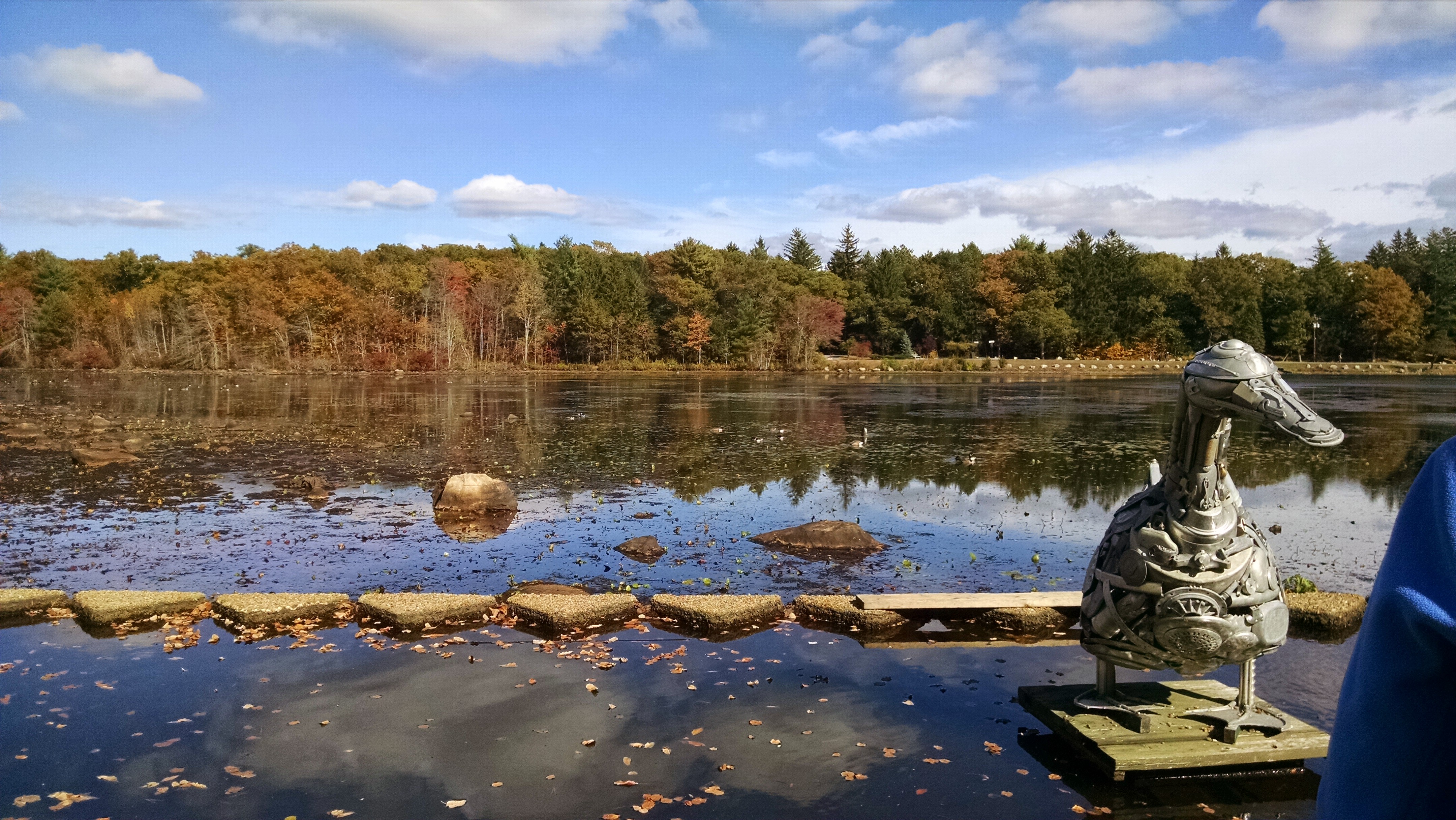
What will your guiding words for this year be?  Photo of sculpture from outside the Fuller Craft Museum, photograph by Meg Winikates.

What will your guiding words for this year be? Photo of sculpture from outside the Fuller Craft Museum, photograph by Meg Winikates.

For me, that includes things like planning new exhibits, getting a new set of museum guides up to speed with drop-in programming in the galleries, and coming up with ways to evaluate last year’s changes and figure out where we can be even more responsive to our visitors in both exhibition and program design.  (I’m currently working on ways to get visitors to inspire each other to greater heights of creative play in our Investigate Zone designed for visitors under 5 and their accompanying adults.)

Here are a few cool reads to help you get inspired (personally and professionally) for the new year:

  • Nina Simon over on Museum 2.0 has a neat interview with a member of Museum Hack, thinking about how to reinvigorate the tour experience.
  • Seeking inspiration and a way to keep on track for the new year?  The Artful Parent has suggestions for making a vision board to hang in your home or office.  (This is much prettier than the strings of to-do lists I tape to my apartment door!)  She’s also doing a daily sketchbook project.
  • The Jealous Curator is doing a monthly “Creative Un-Block” challenge: January’s features altering copies of the same image in as many ways and with as many materials/media as one can imagine.

What are you planning for next year?  What grand experiments and adventures are getting your grin a little wider than usual?

Ideabox: Seeds

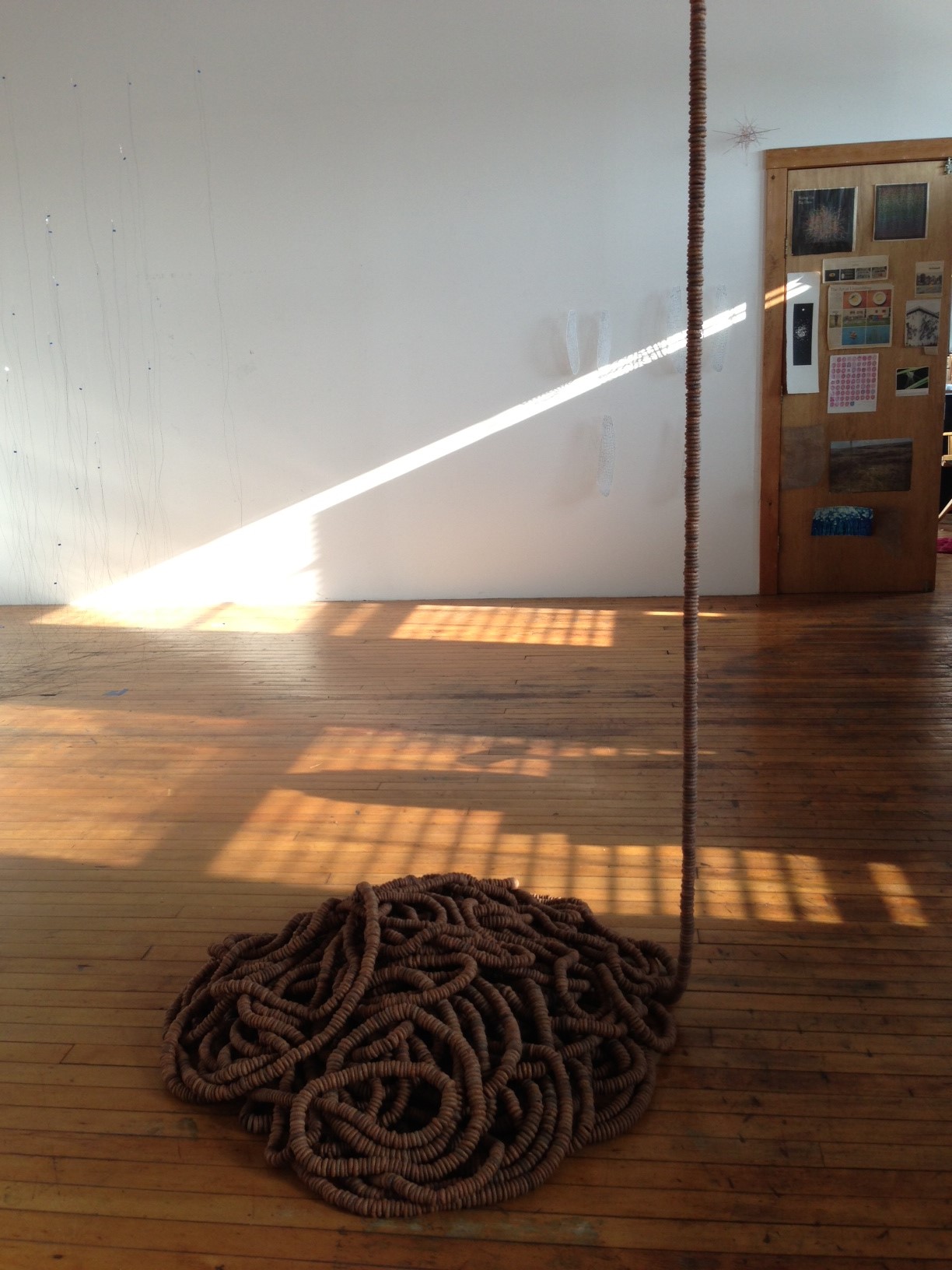
"Tangle" by Beth Galston, featuring thousands of acorn caps.  Now on view at the Peabody Essex Museum.

“Tangle” by Beth Galston, featuring thousands of acorn caps. Now on view at the Peabody Essex Museum.

We’re down to the last days of seed-pods before winter settles in and gets comfortable in our neighborhood, but if you’ve got a pocket full of acorns from your last nature walk, this post is for you.  Since we’re on quite a tree-kick here at the Art & Nature Center, I’m focusing on tree-seeds for this Ideabox:.  However, if you have great seed-based activities for other kinds of plants, please do share them in the comments below!

ideabox seeds

Visual Art

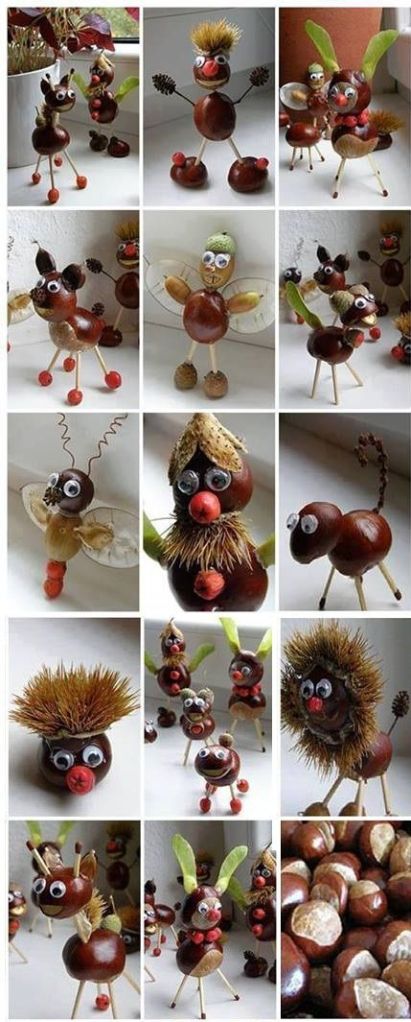
Seeds in homemade paper, seeds glued to burlap for a plant-able ‘mosaic,’ seeds preserved like jewels in resin (See more of Beth Galston’s works)–there are a lot of cool options for making art with seeds!  My favorite is below:

Creating seed and nut sculptures (click for source, warning, it's in Dutch!)

Creating seed and nut sculptures (click for source, warning, it’s in Dutch!)

Science

Take a sock-walk!  Collect seeds from trees (and other plants) by putting an old fuzzy pair of socks on *over* your walking/hiking shoes.  Head to the nearest green space/meadow/park/forest preserve/backyard/hiking trail and see what you pick up from the sides of the trail.  Pair this with a seed identification book and see how many species you collected.

Seed identification kit from Nature Watch.  Also great for observational sketching! Click for source.

Seed identification kit from Nature Watch. Also great for observational sketching! Click for source.

Plant a tree!  Fruit trees are a great option for trying some sprouting experiments, because it’s easy for kids to relate to them.  Here are a few sets of recommendations for sprouting trees from your lunchtime leftovers:
Apples
Peaches
Lemons
Cherries

Math

Combine some hands-on, soil-on botany with math by measuring, tracking, and graphing your seed-germination experiments!  What percent of seeds planted sprouted?  What is the average sprout height after two weeks’ growth?  If you give each plant pot a half-cup of water (or considerably less, depending on the size of your pot!) how much water is that in milliliters?

Literature & Dramatic Arts

There are lots of good stories out there about famous tree-planters (Wangari Maathai, Johnny Appleseed, etc.) but here are a few other ideas for talking about tree seeds through literature and dramatic interpretations:

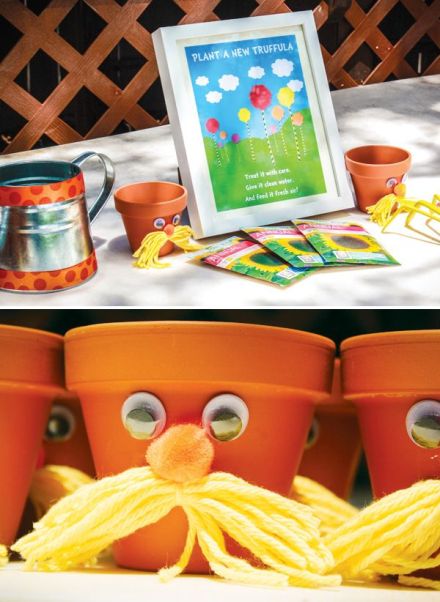
Creating planting pots with a Lorax theme!  This link leads to a whole Lorax-themed party post, but a number of the ideas there could translate to the classroom/art studio/museum.  Click for source.

Creating planting pots with a Lorax theme! This link leads to a whole Lorax-themed party post, but a number of the ideas there could translate to the classroom/art studio/museum. Click for source.

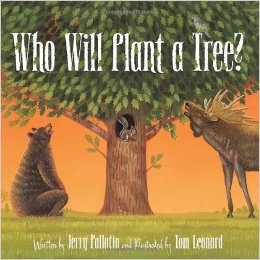
Good for young readers and as a read-aloud to the littlest listeners, this book about seed dispersal has beautiful images to accompany the fairly simple text.  Click for Powell's link.

Good for young readers and as a read-aloud to the littlest listeners, this book by Jerry Pallotta about seed dispersal has beautiful images to accompany the fairly simple text.  Very fun for drawing those animal/plant connections or as an intro to taking a seed-walk.  Click for Powell’s link.

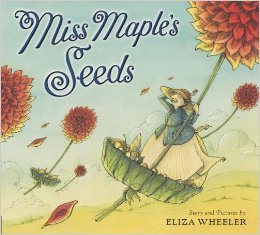
A nature fantasy about a seed guardian who shepherds her charges through the winter and safely out into the world to sprout in spring.  Very sweet book by Eliza Wheeler.  Click for Powell's link.

A nature fantasy about a seed guardian who shepherds her charges through the winter and safely out into the world to sprout in spring. Very sweet book by Eliza Wheeler, could be fun as a kick-off to a seed-collecting expedition. Click for Powell’s link.

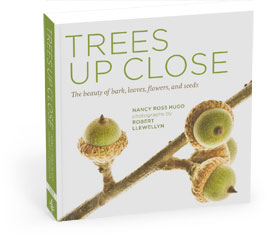
seeds - up close

Beautiful photography of tree elements, including amazing seed images of sorts familiar to a New England audience in several stages of development. By Nancy Ross Hugo and Robert Llewellyn. Click for Powell’s link.

What did I miss?  Share your favorite seed activities, stories, and more in the comments below, or explore other tree-related posts.

You may also like:

Ideabox: Bark
Ideabox: Leaves
Ideabox: Twigs
Trees in the News

Are you a curiosity addict?

I’ve written before about the importance of imagination and creativity, but what about that founding principle of Brain Popcorn, the irresistability of curiosity, the need to know how things work and how they connect and how one thing could also be a half dozen others?

Fortunately for those of us who are, like Einstein once declared, ‘passionately curious,’ there have been a number of articles about curiosity in the news recently.  (And not just about a certain eponymous Mars Rover, that continues to take awesome pictures even if it’s been slightly upstaged by a cousin landing on a comet this week.)

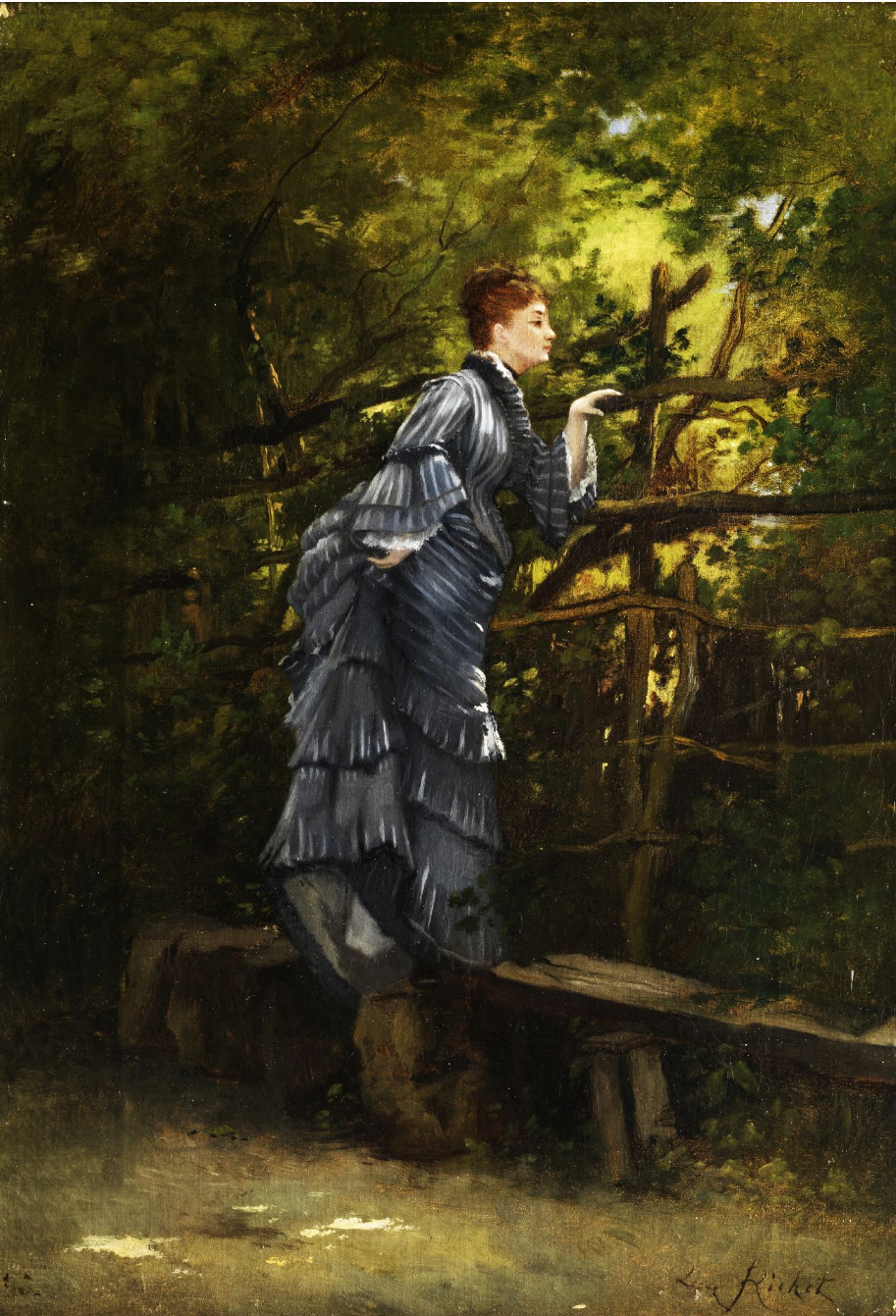
Woman Looking Over a Fence by Leon Richet.  (public domain, image courtesy of Wikimedia Commons)

What’s over there, anyway?  Let’s find out!  Woman Looking Over a Fence by Leon Richet. (public domain, image courtesy of Wikimedia Commons)

As it turns out, curiosity is not just a measurable mental itch, but it apparently works like chocolate–if only chocolate could help your memory the same way! (I certainly eat enough of it…)  I did particularly enjoy the following article, however, chocolate in hand or no: “Curiosity improves memory by tapping into the brain’s reward system”

And, of course, this article simply confirms something one of the wisest people I know says all the time, and she’s always right (because learning is ultimately better for you than chocolate):

 “The best thing for being sad,” replied Merlin, beginning to puff and blow, “is to learn something. That’s the only thing that never fails. You may grow old and trembling in your anatomies, you may lie awake at night listening to the disorder of your veins, you may miss your only love, you may see the world about you devastated by evil lunatics, or know your honour trampled in the sewers of baser minds. There is only one thing for it then — to learn. Learn why the world wags and what wags it. That is the only thing which the mind can never exhaust, never alienate, never be tortured by, never fear or distrust, and never dream of regretting. Learning is the only thing for you. Look what a lot of things there are to learn.”
T.H. White, The Once and Future King

Curiosity was also the driving force behind a smartphone app that involved 4 million players, searching for the answer to ‘what’s inside the cube?’  The need to know kept people tapping their phones (and drawing, and tracking stats, and ‘purchasing’ tools) for 150 days to uncover the video message at the end.  The need to know outweighed the incredible tediousness of what would otherwise be mindless finger tapping.

How important is curiosity, really?  Consider this: according to thesaurus.com, there are 21 synonyms for curiosity, and only 3 antonyms.  If, in this very verbal, information-heavy world, things that are important get many names, this is a good sign for curiosity.

“The important thing is not to stop questioning. Curiosity has its own reason for existing.”
Albert Einstein

(Who’s going to argue with that?  Certainly not I.)

Are you a curiosity addict?  What kinds of things to you find yourself most curious about?  Share them with us in the comments below.

You May Also Like:

Hello, My Name is Curiosity
Why Being a Nerd is Awesome


Museum Review: Fuller Craft, Brockton MA

This past weekend I took a trip (with my trustiest museum-going companions) to the Fuller Craft Museum in Brockton, MA.  It was my first trip there, and my overall impression was very favorable.  The museum has a lovely location overlooking a pond/reservoir, with wooded area around, and the building itself takes advantage of a lot of small courtyards and opportunity for natural light and indoor/outdoor sight lines.  It’s a very appealing space, though with a few drawbacks I’ll get back to later.  It’s a museum that deserves more attendance than it had the day we were there, for certain.

Here are a few highlights from our visit:
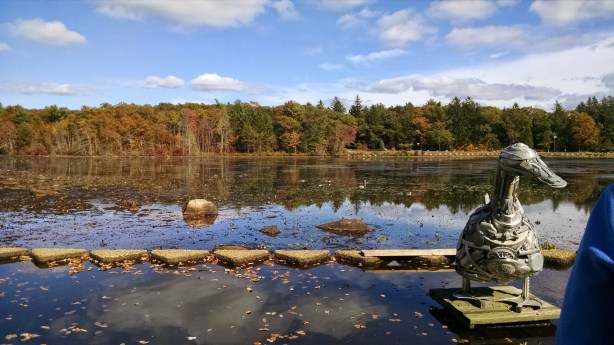
IMG_20141019_132125886

From the sculpture-laden courtyard/patio, overlooking the pond. Photo by Meg Winikates.

Game Changers: Fiber Art Masters and Innovators

“Fiber arts” can seem a pretty vague term.  What exactly counts as a ‘fiber?’  In the case of the Fuller’s exhibit, a lot: twigs, roots, aluminum strips and other metals, paper, plastic wire, the more expected silk, cotton, etc, and even leaves and ‘wasp nest fiber.’  It’s a variety that serves the exhibit rather than causing it to be too diffuse: the pairing of traditional techniques with unusual materials balances the use of traditional materials in fresh ways.  Understandably, I have a bias towards artworks that use natural materials (hello, job of 5 years), so a number of the pictures in the gallery below include tree materials, silkworm cocoons, etc. (There’s a full list of participating artists on the exhibition page if you need more information, too.)

This slideshow requires JavaScript.

All of us really enjoyed this exhibit: there were surprising moments, impressive examples of craftsmanship, visually engaging pieces, and beautifully textured ones that you just *really* wanted to get your hands on (though of course we all knew better).

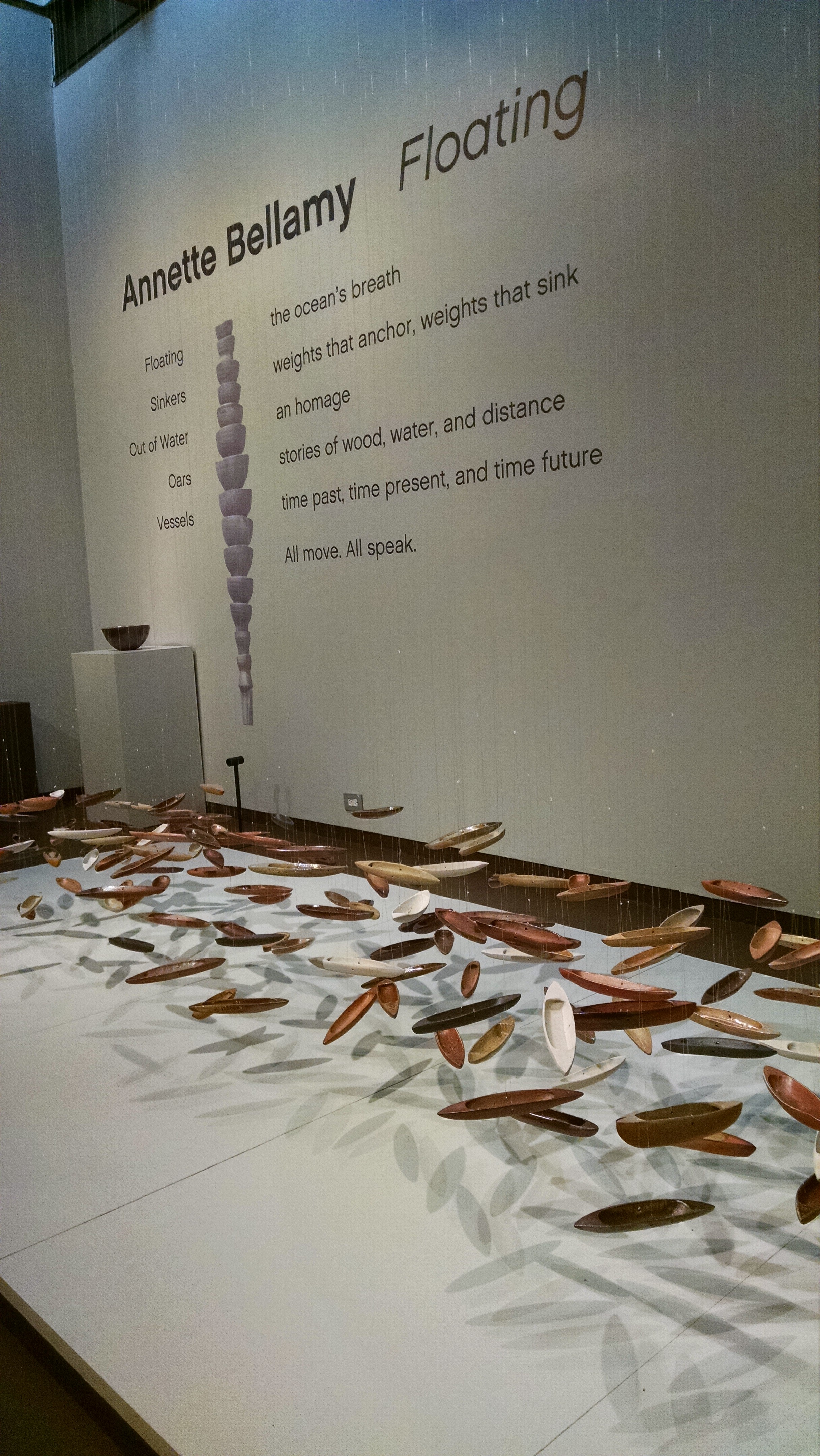
Annette Bellamy’s Floating

Alaskan ceramicist and fisher-woman Annette Bellamy had a lovely one-room installation up through 11/2, which was the favorite of at least half of us in the group.  The two dominant pieces in the gallery were Floating and Sinkers, one of which featured a softly twisting and chiming set of ceramic kayaks, the other very pendulous, larger-than-life ceramic sinkers like the weights one finds on fishing lines and nets.  The lighting design in here was particularly nice, too, with the shadows of the kayaks offering the illusion of fish flitting beneath the boats.
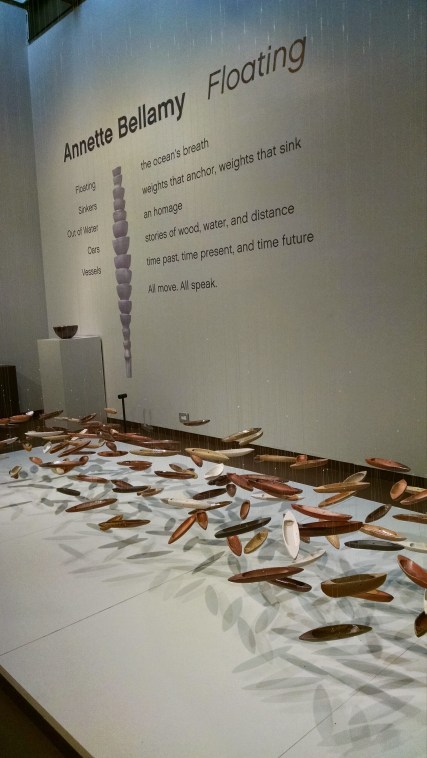
IMG_20141019_125039078

The other part of this gallery that I really liked was a set of custom-adapted paddles, each inspired by a particular person or experience: a whale biologist’s paddle was shaped like a fin, a violinist’s like an abstract version of her instrument with curls of musical texture over it, a ‘phosphorescence’ paddle looked like coral and water bubbles, and Emily Dickinson’s featured buttons and lace.  As a gallery/installation, it was nicely designed and very effective.

Permanent Collection

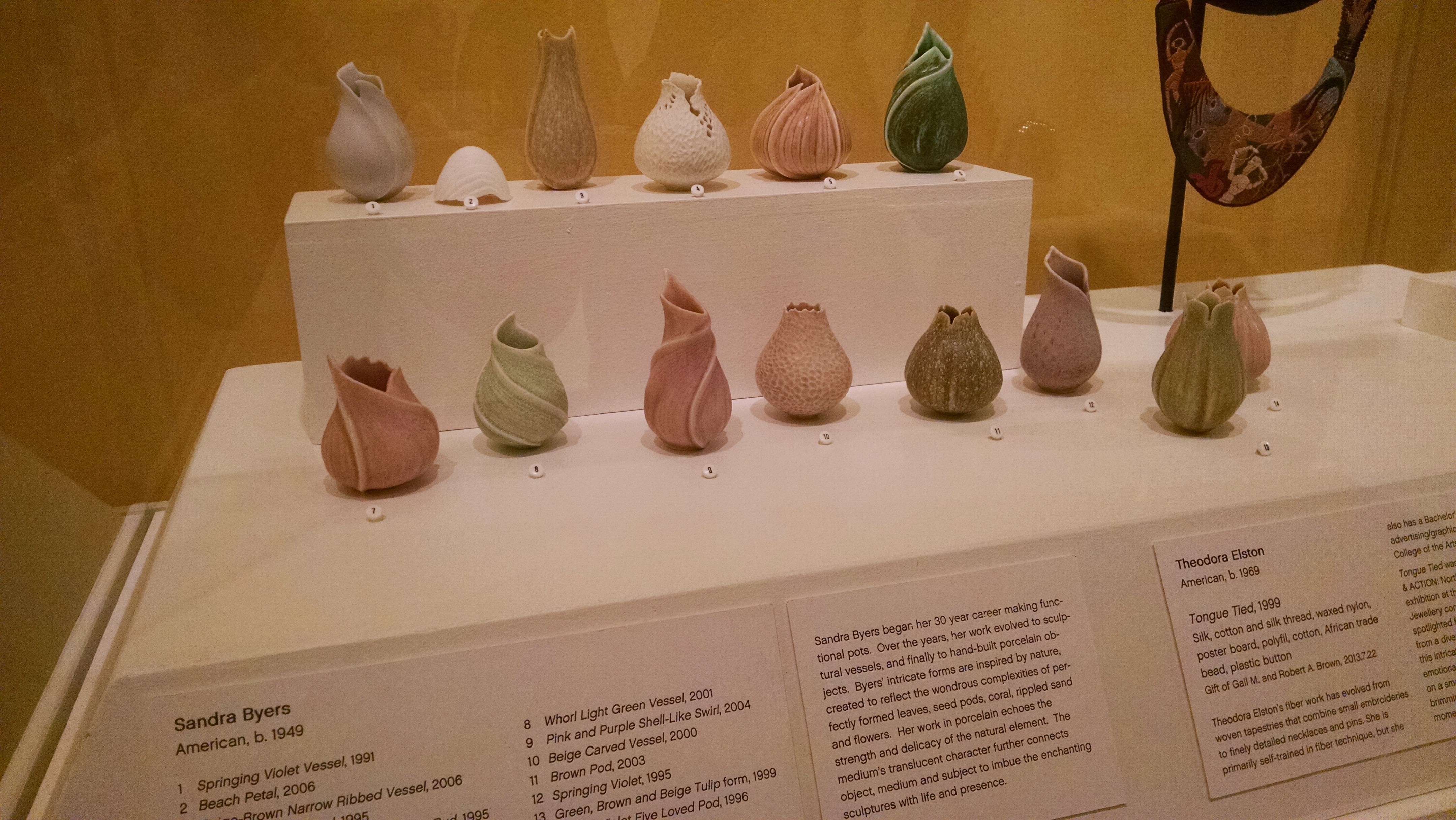
The Fuller’s permanent collection exhibition space tries to do a lot in not a lot of room.  The intro panel mentioned four main thematic elements that guided the selection and groupings of objects, but there wasn’t a lot of room for those themes to be separated or further explained.  The strength of this set of galleries, therefore, was in the ‘eye-catchingness’ of particular objects or groupings, like the gorgeous seed-pod and flower-bulb inspired ceramics below.
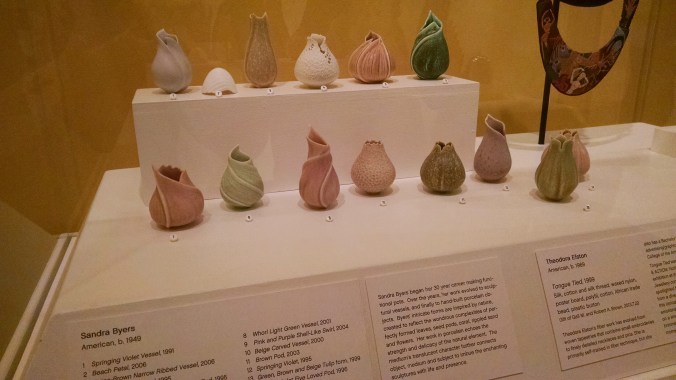
IMG_20141019_125959957

Many of the works in this space were highly individual, often humorous, imaginative, and clearly made with a great deal of skill and imagination.  The density of display in some ways is an advantage, as it leads you naturally to compare and connect the pieces you are seeing in a single glance.

A Few Missed Opportunities

A craft museum is all about the work of an artist’s/craftsperson’s hands–the Fuller even emphasizes this idea by incorporating a fingerprint into their logo.  In such a museum, one would therefore generally expect to find interactive or touchable pieces.  With two exceptions, notable because they were the only ones (a book you could examine while wearing gloves and a weaving activity), this was not the case at the Fuller, and it’s a shame.

To be fair, I don’t believe the museum has a large staff or a gigantic budget, and they are certainly pressed for space, since many of their ‘galleries’ are in fact glorified hallways.  However, there were so many points where a small interactive (touchable ceramic tiles with varied glazes or bases, magnet board with re-arrangeable design elements, ring clip of textile varieties, etc.) would have really carried the day, it was a bummer not to see them.  I realize as a person who has spent the last 8 years in very interactive-heavy spaces I have a bias, but kids are not the only ones who are drawn to interactive experiences, and I was not the only one in my party who missed the opportunity to appreciate the art-making process in a more visceral way.

Also, labels with slightly larger font size (and on a few occasions a *little* less text) would be helpful.  I understand a lot of people don’t want to take attention away from the art, but it actually takes more of your attention to squint at a tiny label than to glance at a readable one.

That said, it was a great visit, a fun way to occupy a few hours, a nice quiet destination if you like your museums more meditative, and I recommend you make the trip to Brockton to check it out for yourself if you’re in the New England area.

Throwback Thursday: Cool and Creepy Archaeology in October

And for Throwback Thursday, a reminder that October is Archaeology Month! This Saturday in Salem, for instance, there’s a public lecture about the cool railroad-related archaeology they did while constructing the new parking garage near the commuter rail. (Details here)

mwinikates's avatarBrain Popcorn

The month is almost over, but I can’t let it go completely by without tipping my hat to Massachusetts Archaeology Month.

Since life here at PEM has been very focused on the amazing Emperor’s Private Paradise exhibit, I have to admit I’ve been more tuned to archaeology stories from that corner of the world recently, including this incredibly cool discovery which may make people reevaluate historical trade routes: Could a Rusty Coin Re-Write Chinese-African History?

In celebration of which I give you Mint Your Own Coin from the American Museum of Natural History’s OLogy page, which also features fun interviews with archaeologists, make-your-own archaeological stationery, artifact features, and more.

If you’re looking for other online archaeology interactives, check out the extensive list at Fun Archaeology For Kids.  The list includes lots of different cultures and time periods, with a great many of the interactives created by museums and…

View original post 169 more words

Ideabox: Bark

ideabox bark

It’s time for more tree-inspired fun from the Ideabox!  This week we’re looking at bark (and by extension, some logs, because it is occasionally hard to get one of these without the other).  As always, the Ideabox features suggestions on how to explore an everyday material in an interdisciplinary way.  Suggestions are always welcome!


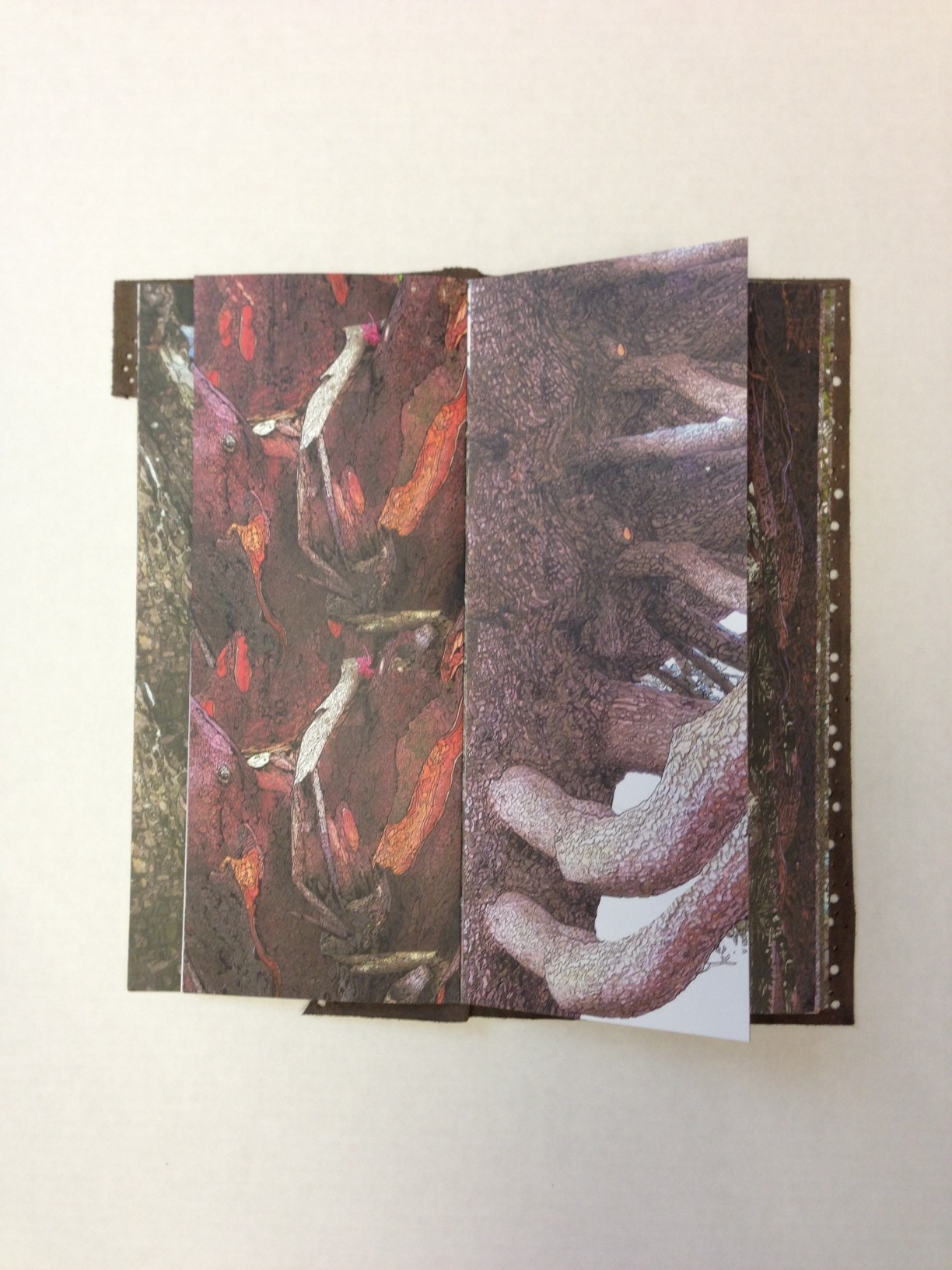
Book of bark drawings by Sallie Lowenstein, featured artist in Branching Out, Trees as Art

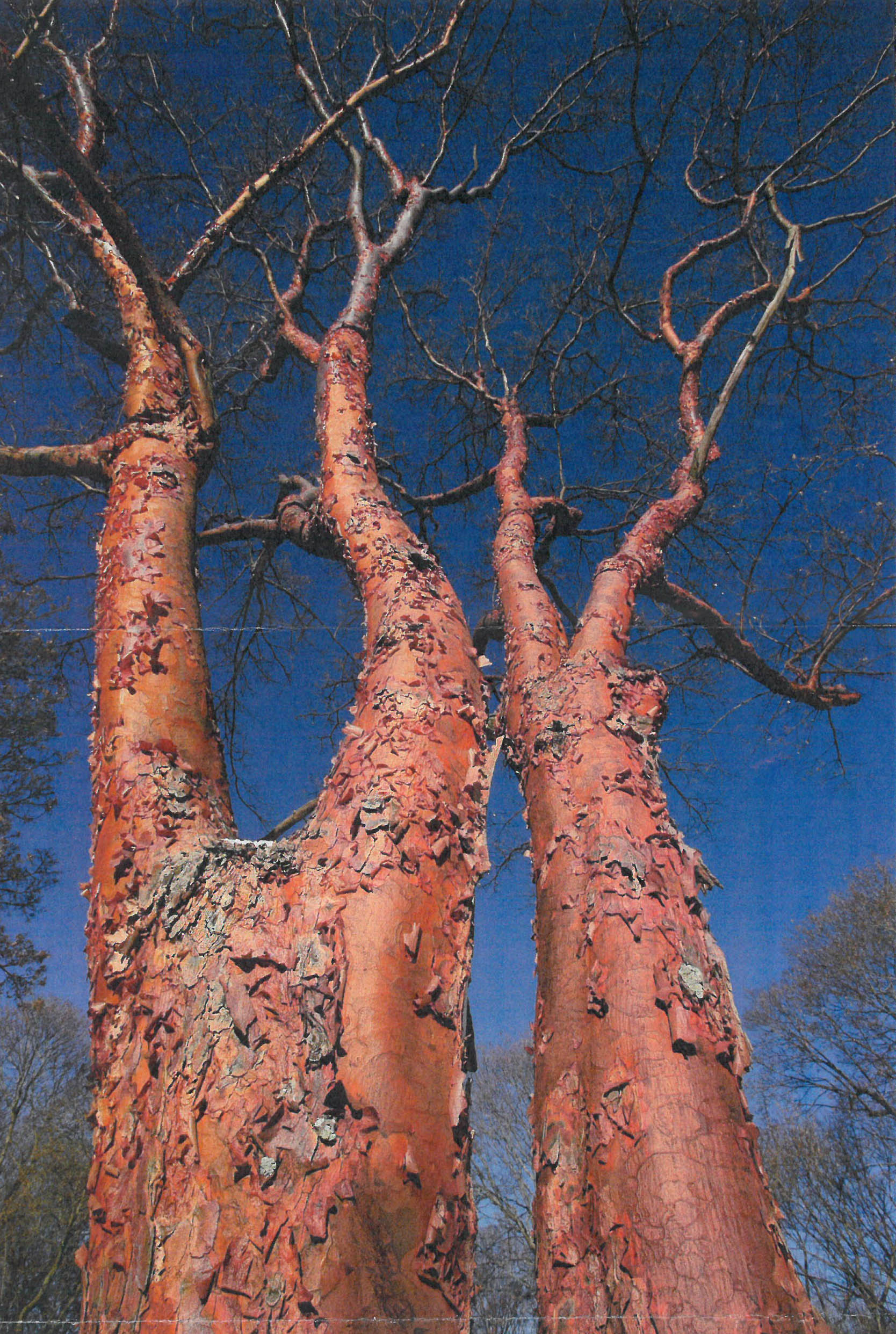
Clothed in Bark, book of bark drawings by Sallie Lowenstein, featured artist in Branching Out, Trees as Art

Science: Close-Looking and Identification of Bark

There are still beautiful leaves on the trees to help you tell your white oak from your black oak and your sugar maple from your Norway maple, but soon enough a nature walker will need to be paying attention to bark patterns to identify winter’s sleeping trees.  Enter Michael Wojtech‘s book, Bark: A Field Guide to Trees of the Northeast.  Wojtech is a fascinating person to talk to, and very passionate about encouraging people to simply *notice* more about their environment (especially trees).  He ran a great session at our Branching Out opening day involving making tree and leaf rubbings, and also using sharpies on acetate to trace the patterns of bark from close-up photographs.  People described the experience as inspirational, meditative, relaxing, and addictive, which seems like a pretty good spectrum to me!

My favorite fact I learned from Michael’s book: tree bark patterns can change as a tree ages.  It makes sense, of course–our skin changes, why wouldn’t a tree’s?  But it makes me look at the trees I walk by every day in a whole new way.

This slideshow requires JavaScript.

Literature

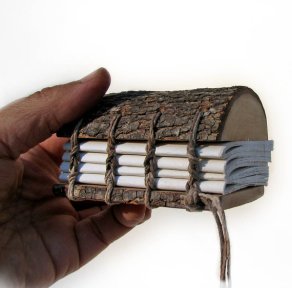
Pear tree journal by Tanja Sova. Click for source

Pear tree journal by Tanja Sova. Click for source

I’m not advocating we all carry trees in our pockets, but the journal above was too adorable not to include.

I’ve already linked to cool books about bark elsewhere in this post, so I won’t belabor the point.  Bark is, however, a great source for writing prompts.  Wordlists about texture, color, scars, age marks, fire damage, insect damage, human damage, intersections between human construction and tree life (growing through a fence, perhaps?)–all of those can lead to powerful and imaginative writings for your students or museum visitors.

Culinary

Are you teaching a unit on trees and passing up a chance to make edible bark?  If so, you’re missing a grand opportunity for punning and classic snacks (“ants on a log,” anyone? I always preferred my logs ant-less.  Raisins and I have a very off-again-on-again relationship.)

Here are a few tasty-looking variations on the ‘bark’ candy idea, all featuring chocolate, my favorite tree-based food:

Music

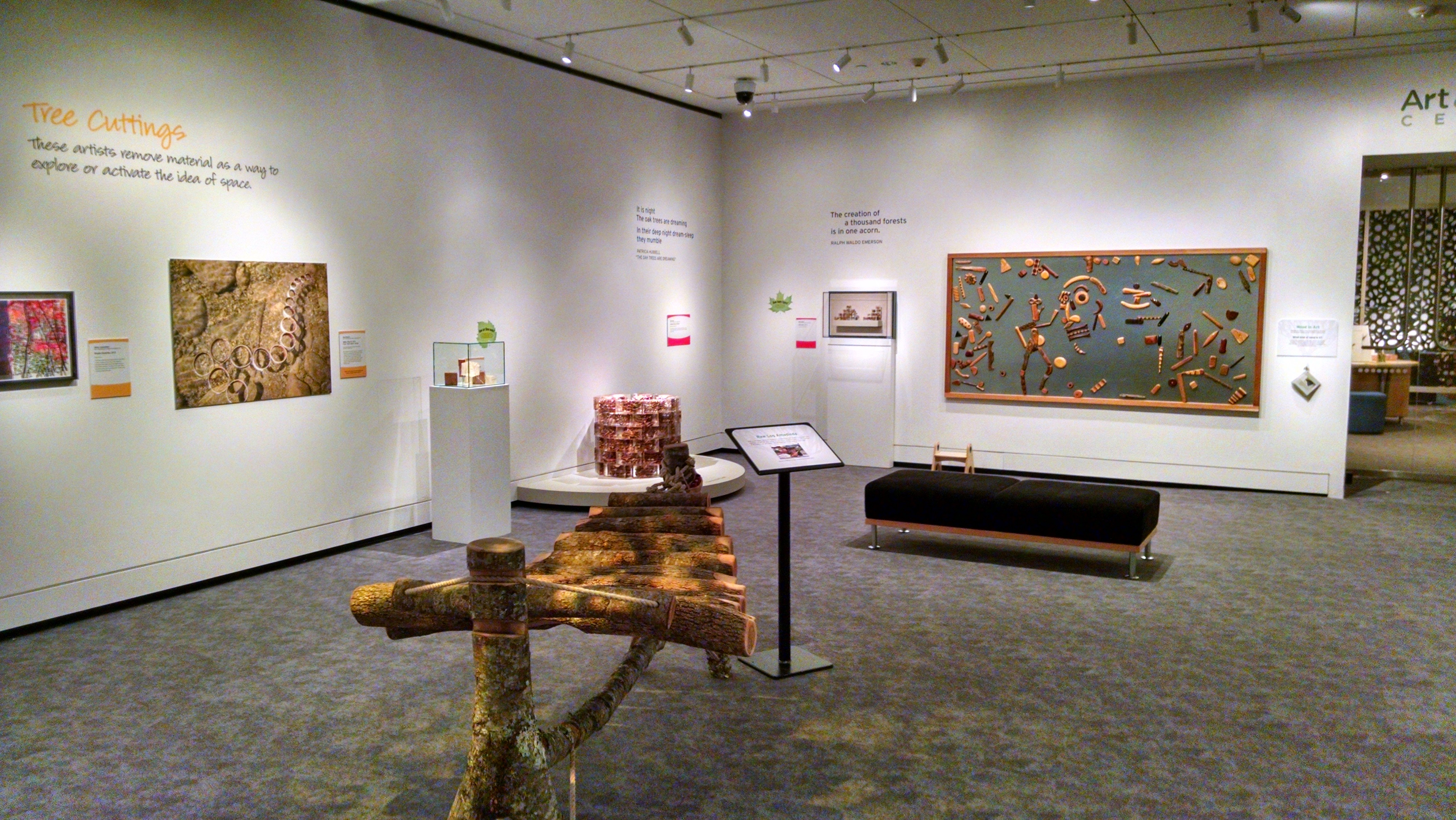
Were you the kind of kid that picked up a stick and ran it along fences or trees on your walk through the neighborhood?  Are you a percussionist at heart?  You may be looking for  The Raw Log Amadinda from Elemental Designs, like the one we have in the Art & Nature Center.  There are a lot of fun ways to make rhythm with sticks and downed logs and tree stumps, but the extra resonance and tuning provided by the folks at Elemental Designs make this particular interactive extremely popular!

The Log Amadinda installed in the Art & Nature Center, just before opening

The Log Amadinda installed in the Art & Nature Center, just before opening

Visual Arts

Cedric Pollet's paperback maple photograph

Cedric Pollet’s paperback maple photograph

Bark is a great option for art-making.  Flakes of bark picked up off the ground (never off a living tree, please!) work fantastically as collage material to give texture.  Bark rubbing or tracing (as seen in the Michael Wojtech pictures above) or drawing (as in Sallie Lowenstein‘s work also above) are classic options for the budding naturalist and the artistic sketcher. For sheer visual impact, not to mention color exploration, it’s worth checking out Cedric Pollet‘s Bark book as well.

I’ve never tried printing with bark, but I’m willing to bet that with the right kind of bark, decent paint, and patience, you could come up with some beautiful textures.

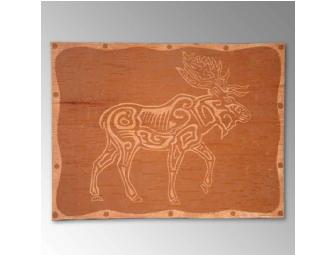
And, of course, there is birchbark etching.  This works best if you know exactly what you’re doing when collecting supplies, and if you’re collecting (or purchasing from someone who collects) responsibly so as not to hurt the tree.  Birchbark, when peeled in winter, has a dark innermost layer that peels off with the outer bark, that when scraped away, reveals the lighter bark of summer.  Artist David Moses Bridges is particularly well known around New England for his work with this material.  He uses both traditional implements, such as horseshoe crab tails, and dental tools to achieve the etching effects he wants on his baskets, plaques, and other works.

Moose on birchbark, etching by David Moses Bridges, featured artist in Branching Out

Moose on birchbark, etching by David Moses Bridges, featured artist in Branching Out

And if you’re in a photographic turn of mind, PEM’s “Trees as Art” Instagram contest is running for one more week.  Tag your photos with #TreesAsArt and enter to win a very fun prize pack from the PEM shop.  Details here.

 instagram trees challenge

Find more tree-related Ideabox fun here:
Ideabox: Twigs
Ideabox: Leaves

Or you might want to check out:
Weird and Wonderful Watercolors
Nature in the Neighborhood

Do you have an inspiring way to explore tree bark?  Share it in the comments below!


Trees in the News

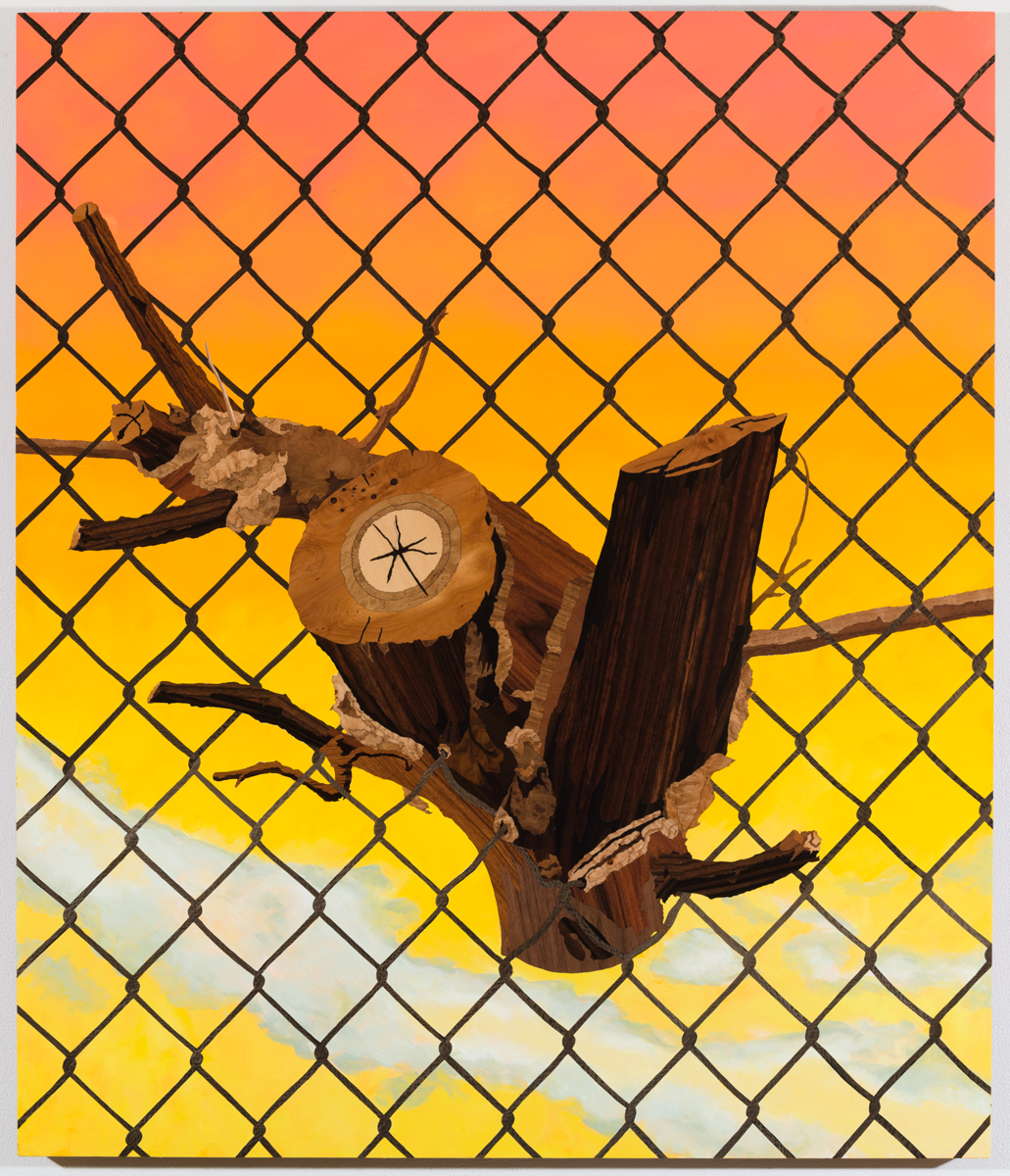
Allison Elizabeth Taylor's marquetry piece, Brooklyn Navy Yard, currently on view at the Peabody Essex Museum

Allison Elizabeth Taylor’s marquetry piece, Brooklyn Navy Yard, currently on view at the Peabody Essex Museum

I spend a lot of time noticing trees these days.  It’s not just that we’re having a beautiful foliage season, or that I’ve been looking forward to Branching Out for over a year–suddenly it seems that there are stories about trees all over the airwaves, be it TV, radio, or wi-fi.  Here are a few of the arboreal articles that caught my eye in the last week or two:

Norway pays Liberia to halt deforestation – apparently there’s a link between deforestation and the current ebola outbreak, in addition to all the other nastiness that comes from clearcutting.  Kind of makes you love Norway, though, doesn’t it?

Trees and climate change – It turns out that trees are as individual as people when it comes to tolerance for heat, drought, and other forms of extreme weather.

NPR celebrates fall colors (still time to submit your photos!)

And one tangentially related, though not limited to trees:

 If We Cared about the Environment like We Care about Football – An incident or two of bad language, but still funny in that sort of painful way.

Do you have any cool news stories (or opinion videos) about trees?  Share them in the comments below!

Inktober, the Big Draw, and why you should pick up a pencil this month

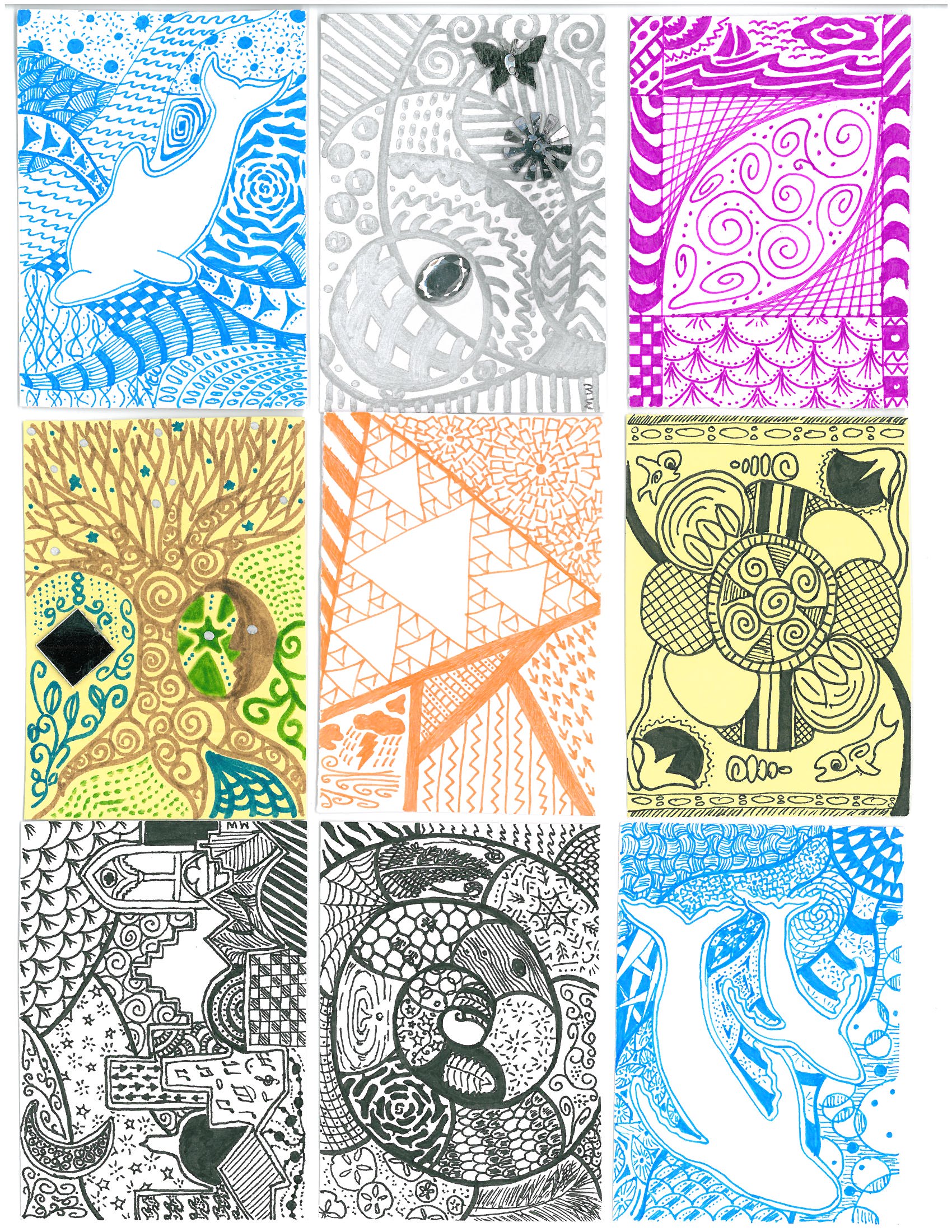
Doodles are good for the brain! Zentangle-style artist trading cards by Meg Winikates

Doodles are good for the brain! Zentangle-style artist trading cards by Meg Winikates

“But I’m not an artist!”

“I haven’t drawn since, like, fourth grade.”

“I so can’t draw.”

Is this you? 

“I just doodle, you know.  Edges of meeting notes, that sort of thing.”

“I never show people my drawings, but I’ve got books of them.”

“My parents still hang my stuff on the fridge, but that’s about it.”

Is this you?

“I love to draw.  I don’t even need an excuse.”

Is this you?

If  you answered yes to any of the above, then October, the month of Inktober and The Big Draw,  is the month for you. (Yes, all of you.)

inktoberWhat is Inktober?  The brainchild of artist Jake Parker, it began in 2009 as a personal challenge: draw every day to improve skills and develop good habits.  Now, it is an international celebration in which thousands of artists, both amateurs and professionals, participate.  According to Parker’s website, the rules are simple:

1) Make a drawing in ink (you can do a pencil under-drawing if you want).

2) Post it on your blog (or tumblr, instagram, twitter, facebook, flickr, Pinterest or just pin it on your wall.)

3) Hashtag it with #inktober

4) Repeat

Note: you can do it daily, or go the half-marathon route and post every other day, or just do the 5K and post once a week. What ever you decide, just be consistent with it. INKtober is about growing and improving and forming positive habits, so the more you’re consistent the better.

That’s it! Now go make something beautiful.

As directions go ‘now go make something beautiful’ is definitely one of my favorites.  Check out the link above for pen reviews, templates for ‘inktober’ branded pages, social media links, and archives from previous years.

Print

And how about The Big Draw?  Billed as “The World’s Biggest Drawing Festival,” it runs for the month of October every year (this year through Nov. 2), and it too is an international celebration of drawing at all skill levels and for any and all purposes.  It began in the UK and each year they have a wide-ranging theme to help event organizers etc. pull together a range of awesome programming.  This year’s theme is “It’s Our World,” and we’re celebrating it at PEM on October 11 at our own Big Draw Festival.  The Big Draw not only celebrates drawing, but works with cultural institutions of all sorts to promote visual literacy and draw attention to drawing’s role in communication and creativity.  They are backed by the charitable organization, The Campaign for Drawing, who have assembled quite an impressive set of resources for teachers, parents, students, event organizers, and more.  (They also have a very active Pinterest board.)

Need more convincing?  Even the Wall Street Journal reports that doodling can improve your memory.

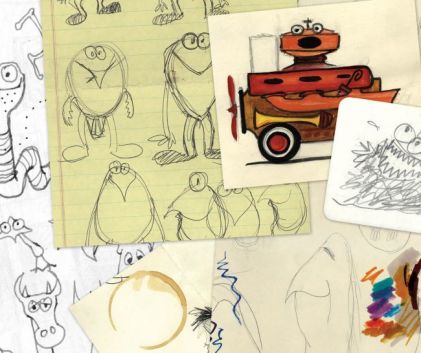
Doodles by Jim Henson, click for source.

Doodles by Jim Henson, click for source.

Plus it’s fun!  If it’s good enough for Jim Henson, it’s good enough for me.

Do you have a habitual doodle?  What about a favorite art-making memory?  Share it in the comments below.