Ideabox: Seeds

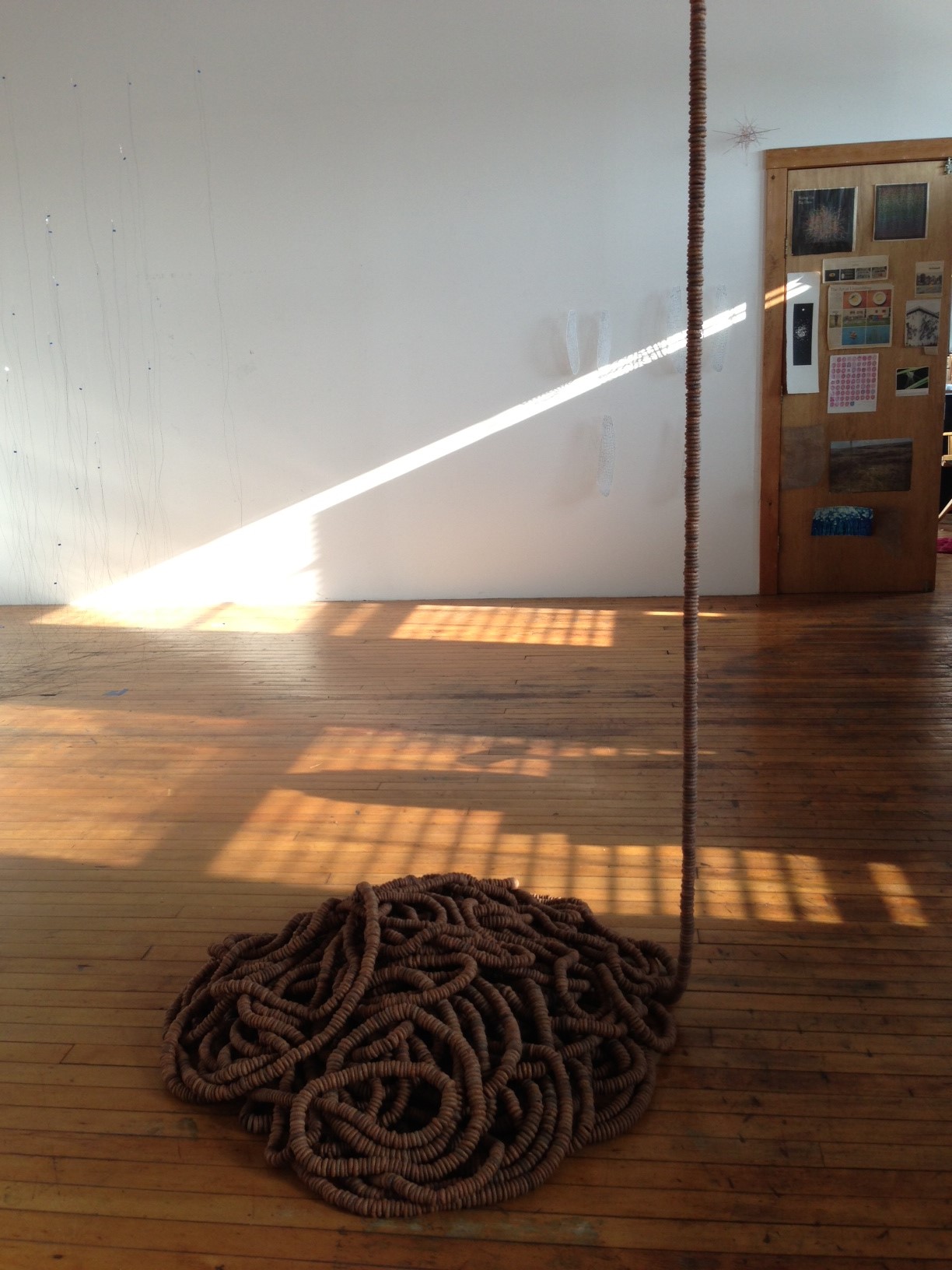
"Tangle" by Beth Galston, featuring thousands of acorn caps.  Now on view at the Peabody Essex Museum.

“Tangle” by Beth Galston, featuring thousands of acorn caps. Now on view at the Peabody Essex Museum.

We’re down to the last days of seed-pods before winter settles in and gets comfortable in our neighborhood, but if you’ve got a pocket full of acorns from your last nature walk, this post is for you.  Since we’re on quite a tree-kick here at the Art & Nature Center, I’m focusing on tree-seeds for this Ideabox:.  However, if you have great seed-based activities for other kinds of plants, please do share them in the comments below!

ideabox seeds

Visual Art

Seeds in homemade paper, seeds glued to burlap for a plant-able ‘mosaic,’ seeds preserved like jewels in resin (See more of Beth Galston’s works)–there are a lot of cool options for making art with seeds!  My favorite is below:
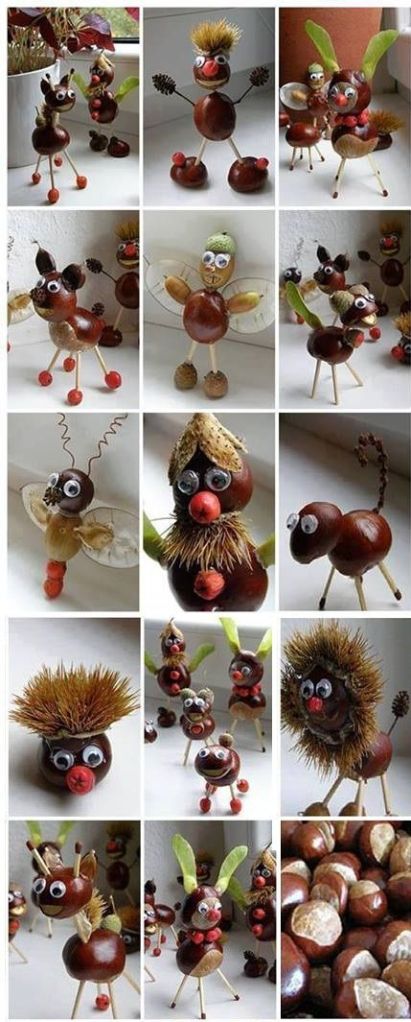
Creating seed and nut sculptures (click for source, warning, it's in Dutch!)

Creating seed and nut sculptures (click for source, warning, it’s in Dutch!)

Science

Take a sock-walk!  Collect seeds from trees (and other plants) by putting an old fuzzy pair of socks on *over* your walking/hiking shoes.  Head to the nearest green space/meadow/park/forest preserve/backyard/hiking trail and see what you pick up from the sides of the trail.  Pair this with a seed identification book and see how many species you collected.
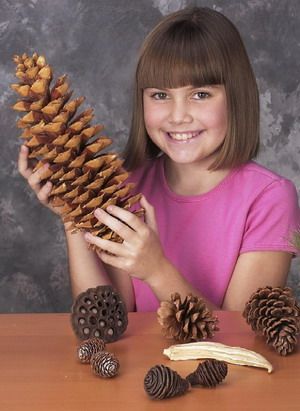
Seed identification kit from Nature Watch.  Also great for observational sketching! Click for source.

Seed identification kit from Nature Watch. Also great for observational sketching! Click for source.

Plant a tree!  Fruit trees are a great option for trying some sprouting experiments, because it’s easy for kids to relate to them.  Here are a few sets of recommendations for sprouting trees from your lunchtime leftovers:
Apples
Peaches
Lemons
Cherries

Math

Combine some hands-on, soil-on botany with math by measuring, tracking, and graphing your seed-germination experiments!  What percent of seeds planted sprouted?  What is the average sprout height after two weeks’ growth?  If you give each plant pot a half-cup of water (or considerably less, depending on the size of your pot!) how much water is that in milliliters?

Literature & Dramatic Arts

There are lots of good stories out there about famous tree-planters (Wangari Maathai, Johnny Appleseed, etc.) but here are a few other ideas for talking about tree seeds through literature and dramatic interpretations:
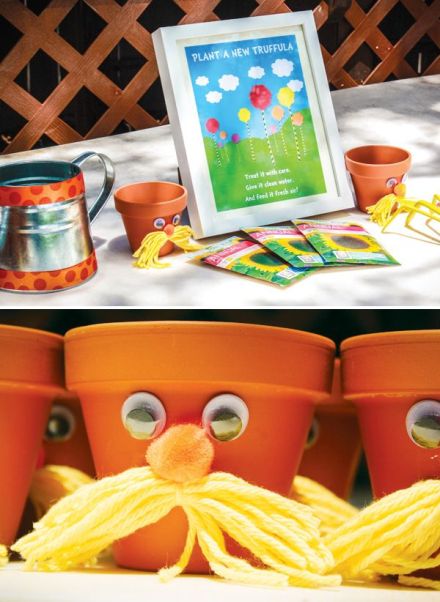
Creating planting pots with a Lorax theme!  This link leads to a whole Lorax-themed party post, but a number of the ideas there could translate to the classroom/art studio/museum.  Click for source.

Creating planting pots with a Lorax theme! This link leads to a whole Lorax-themed party post, but a number of the ideas there could translate to the classroom/art studio/museum. Click for source.
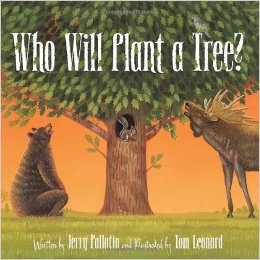
Good for young readers and as a read-aloud to the littlest listeners, this book about seed dispersal has beautiful images to accompany the fairly simple text.  Click for Powell's link.

Good for young readers and as a read-aloud to the littlest listeners, this book by Jerry Pallotta about seed dispersal has beautiful images to accompany the fairly simple text.  Very fun for drawing those animal/plant connections or as an intro to taking a seed-walk.  Click for Powell’s link.
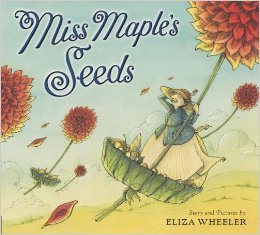
A nature fantasy about a seed guardian who shepherds her charges through the winter and safely out into the world to sprout in spring.  Very sweet book by Eliza Wheeler.  Click for Powell's link.

A nature fantasy about a seed guardian who shepherds her charges through the winter and safely out into the world to sprout in spring. Very sweet book by Eliza Wheeler, could be fun as a kick-off to a seed-collecting expedition. Click for Powell’s link.
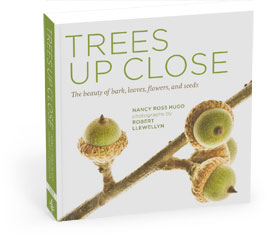
seeds - up close

Beautiful photography of tree elements, including amazing seed images of sorts familiar to a New England audience in several stages of development. By Nancy Ross Hugo and Robert Llewellyn. Click for Powell’s link.

What did I miss?  Share your favorite seed activities, stories, and more in the comments below, or explore other tree-related posts.

You may also like:

Ideabox: Bark
Ideabox: Leaves
Ideabox: Twigs
Trees in the News
Are you a curiosity addict?

I’ve written before about the importance of imagination and creativity, but what about that founding principle of Brain Popcorn, the irresistability of curiosity, the need to know how things work and how they connect and how one thing could also be a half dozen others?

Fortunately for those of us who are, like Einstein once declared, ‘passionately curious,’ there have been a number of articles about curiosity in the news recently.  (And not just about a certain eponymous Mars Rover, that continues to take awesome pictures even if it’s been slightly upstaged by a cousin landing on a comet this week.)

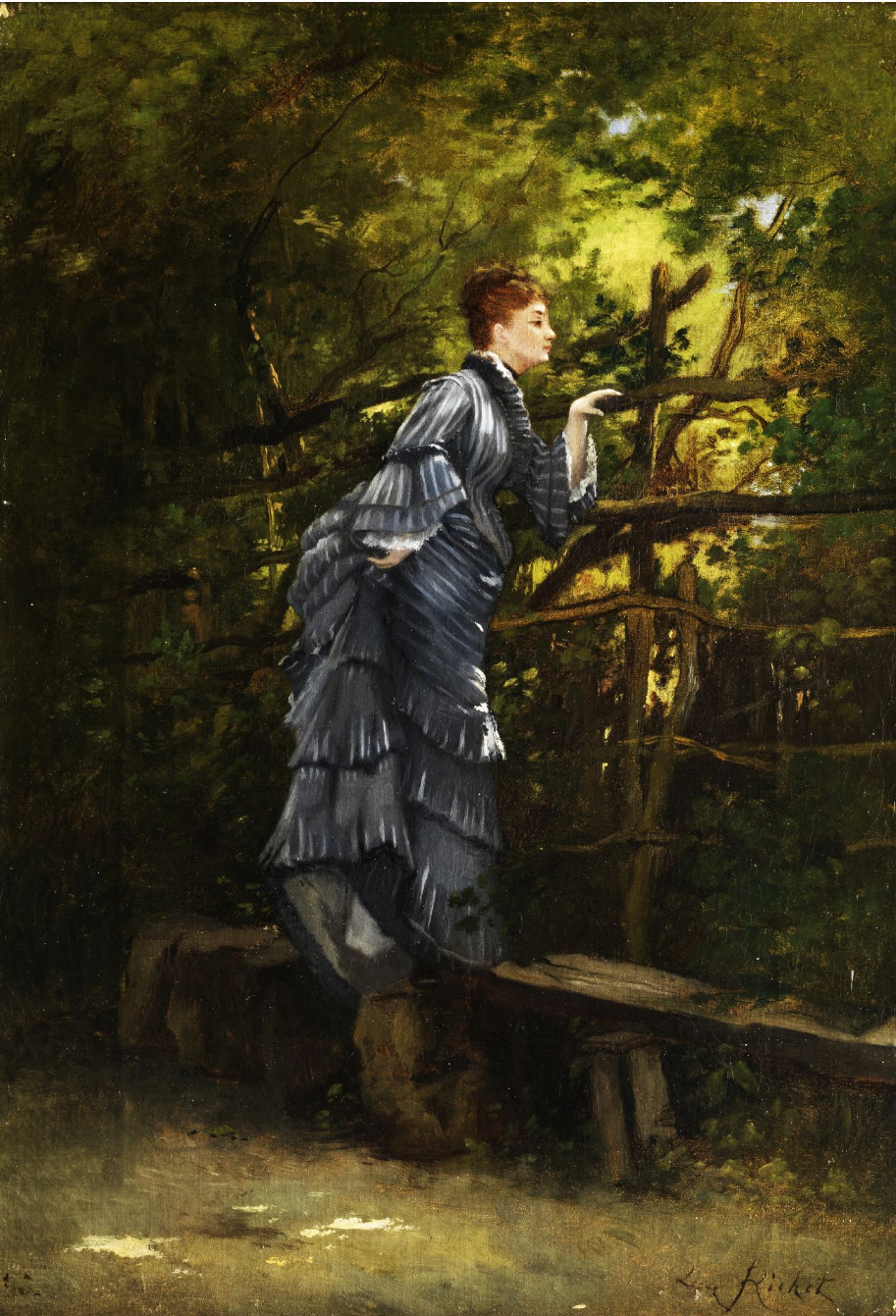
Woman Looking Over a Fence by Leon Richet.  (public domain, image courtesy of Wikimedia Commons)

What’s over there, anyway?  Let’s find out!  Woman Looking Over a Fence by Leon Richet. (public domain, image courtesy of Wikimedia Commons)

As it turns out, curiosity is not just a measurable mental itch, but it apparently works like chocolate–if only chocolate could help your memory the same way! (I certainly eat enough of it…)  I did particularly enjoy the following article, however, chocolate in hand or no: “Curiosity improves memory by tapping into the brain’s reward system”

And, of course, this article simply confirms something one of the wisest people I know says all the time, and she’s always right (because learning is ultimately better for you than chocolate):

 “The best thing for being sad,” replied Merlin, beginning to puff and blow, “is to learn something. That’s the only thing that never fails. You may grow old and trembling in your anatomies, you may lie awake at night listening to the disorder of your veins, you may miss your only love, you may see the world about you devastated by evil lunatics, or know your honour trampled in the sewers of baser minds. There is only one thing for it then — to learn. Learn why the world wags and what wags it. That is the only thing which the mind can never exhaust, never alienate, never be tortured by, never fear or distrust, and never dream of regretting. Learning is the only thing for you. Look what a lot of things there are to learn.”
T.H. White, The Once and Future King

Curiosity was also the driving force behind a smartphone app that involved 4 million players, searching for the answer to ‘what’s inside the cube?’  The need to know kept people tapping their phones (and drawing, and tracking stats, and ‘purchasing’ tools) for 150 days to uncover the video message at the end.  The need to know outweighed the incredible tediousness of what would otherwise be mindless finger tapping.

How important is curiosity, really?  Consider this: according to thesaurus.com, there are 21 synonyms for curiosity, and only 3 antonyms.  If, in this very verbal, information-heavy world, things that are important get many names, this is a good sign for curiosity.

“The important thing is not to stop questioning. Curiosity has its own reason for existing.”
Albert Einstein

(Who’s going to argue with that?  Certainly not I.)

Are you a curiosity addict?  What kinds of things to you find yourself most curious about?  Share them with us in the comments below.

You May Also Like:

Hello, My Name is Curiosity
Why Being a Nerd is Awesome